
















Positive Fresnel Lenses: How They Focus Light and Why They Are Used in Industrial Optical Systems
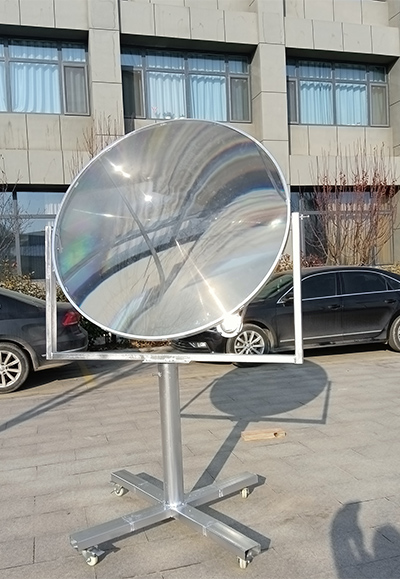
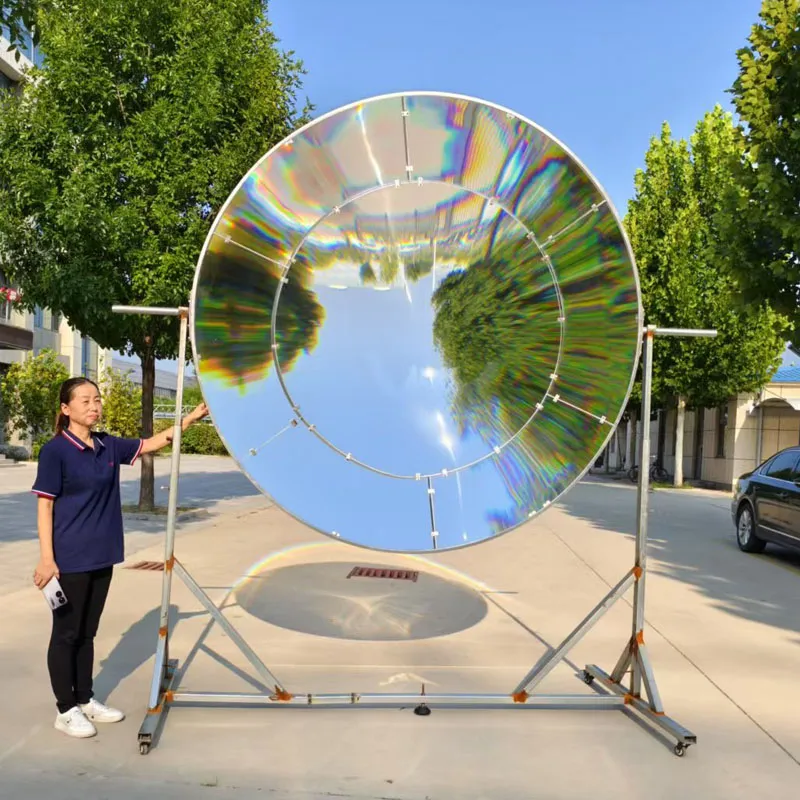
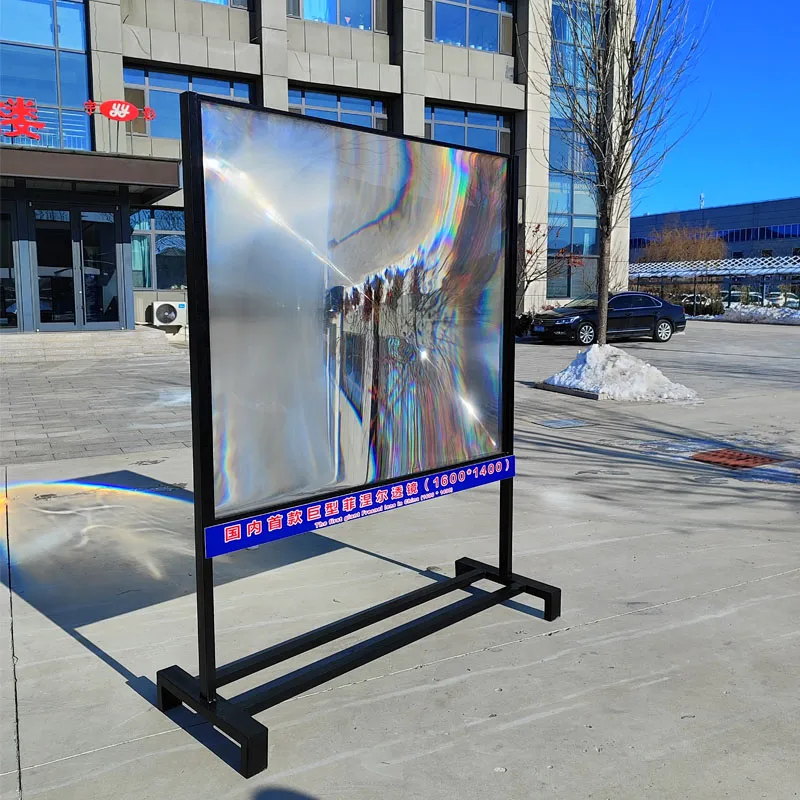
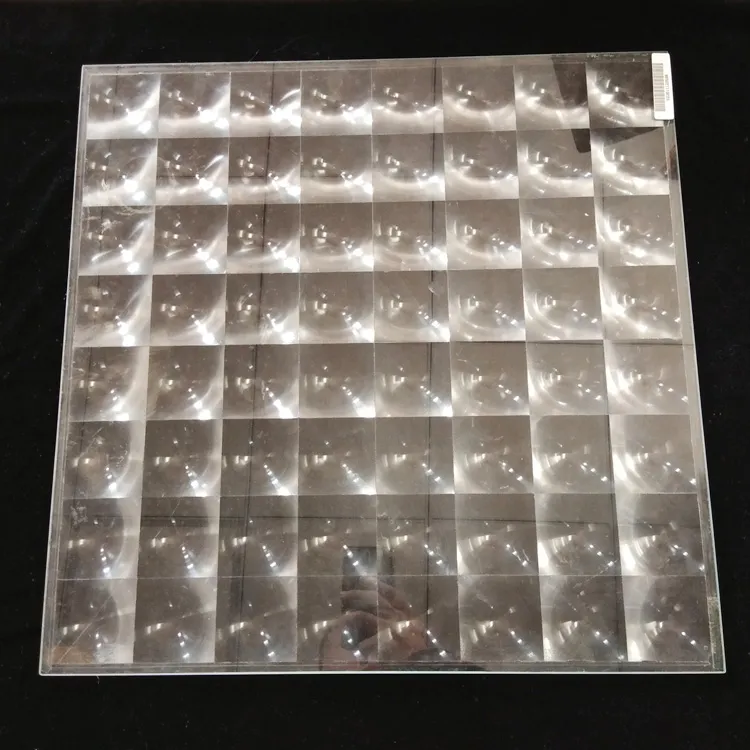
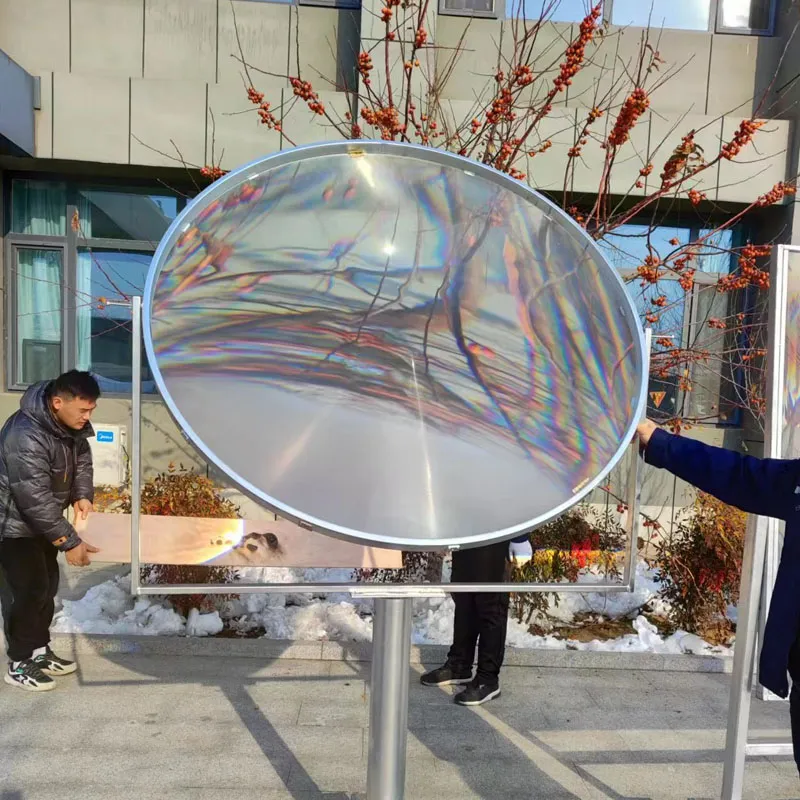
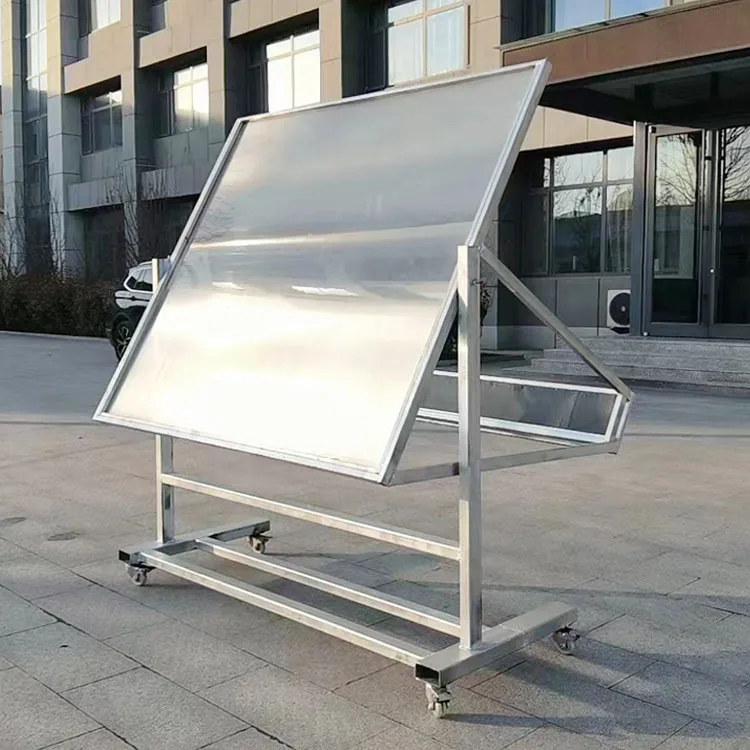
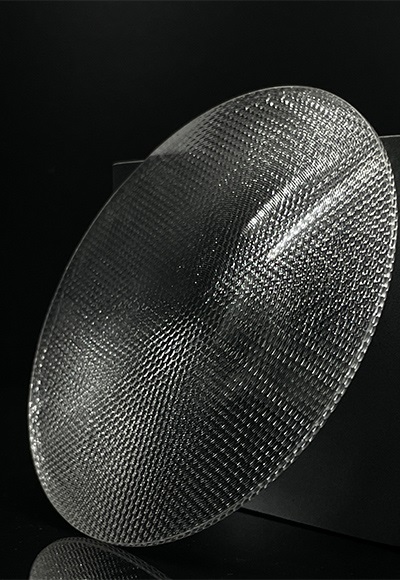
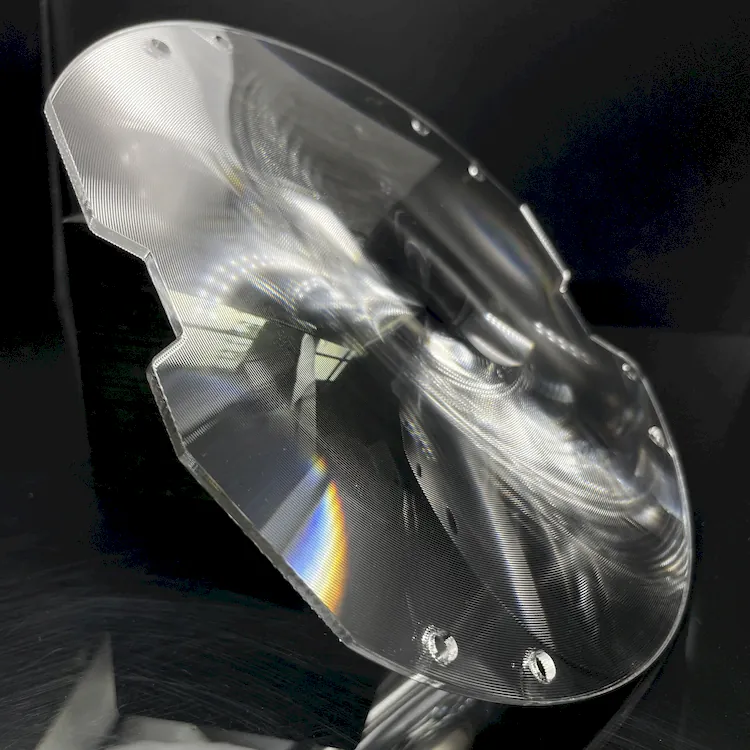
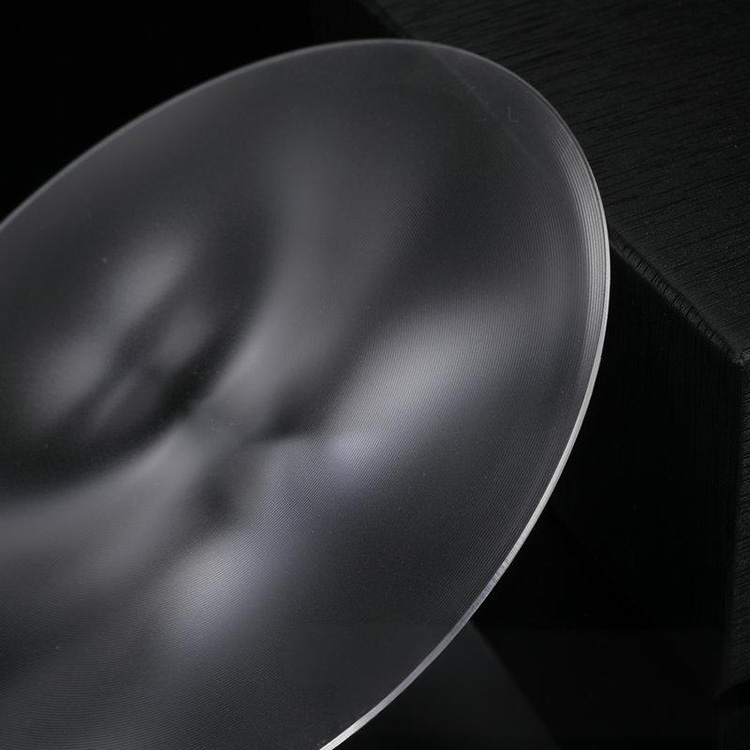
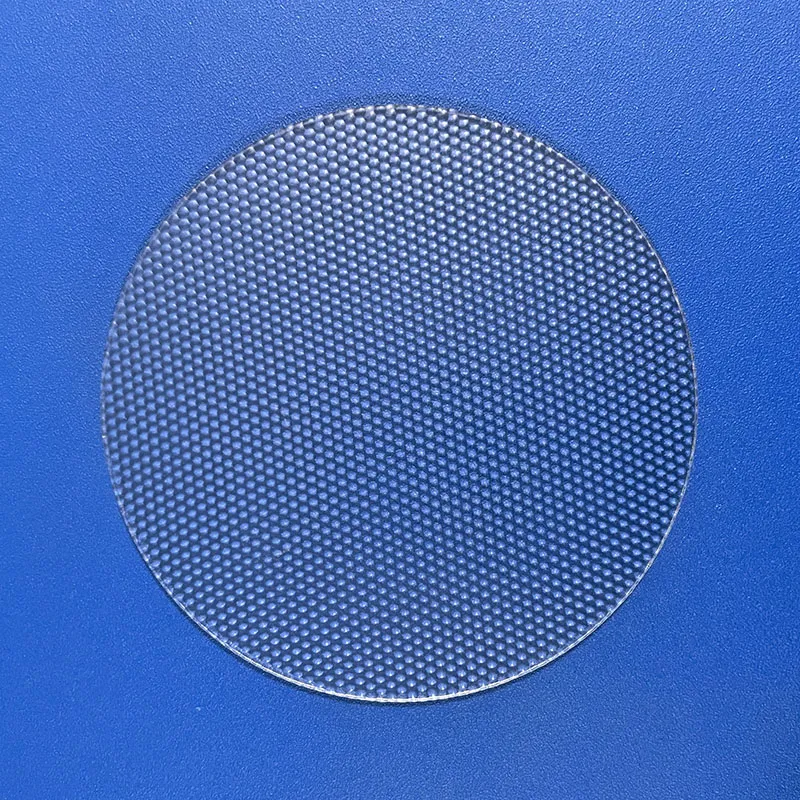
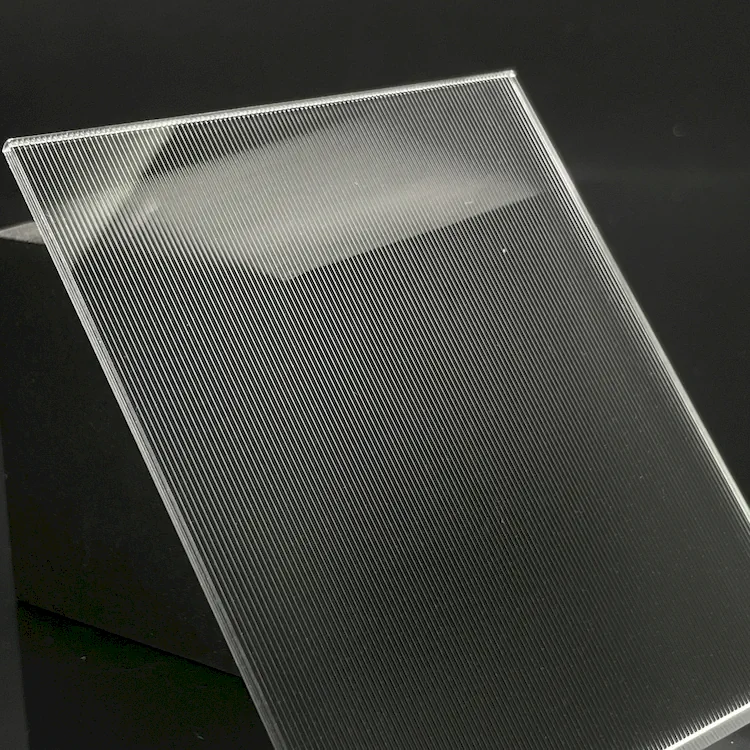
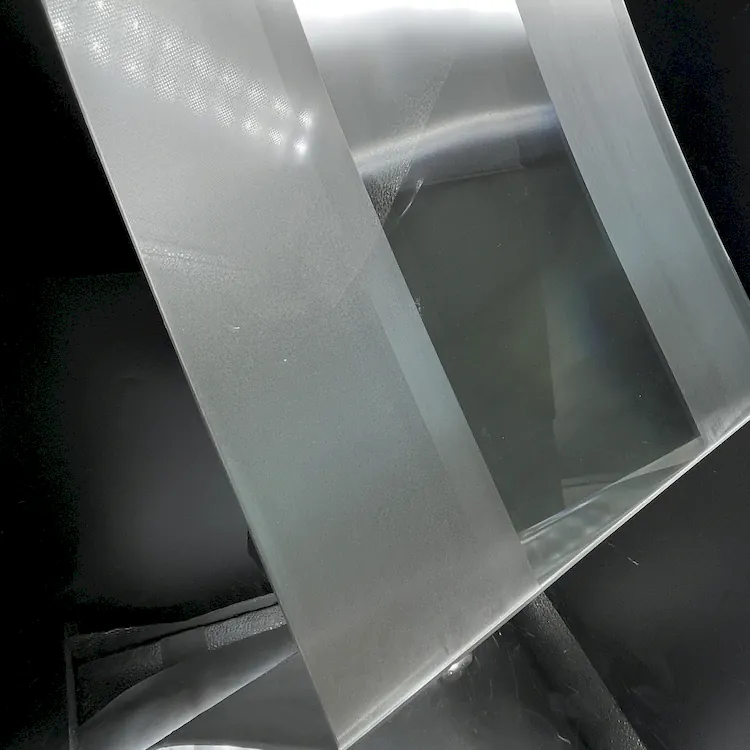
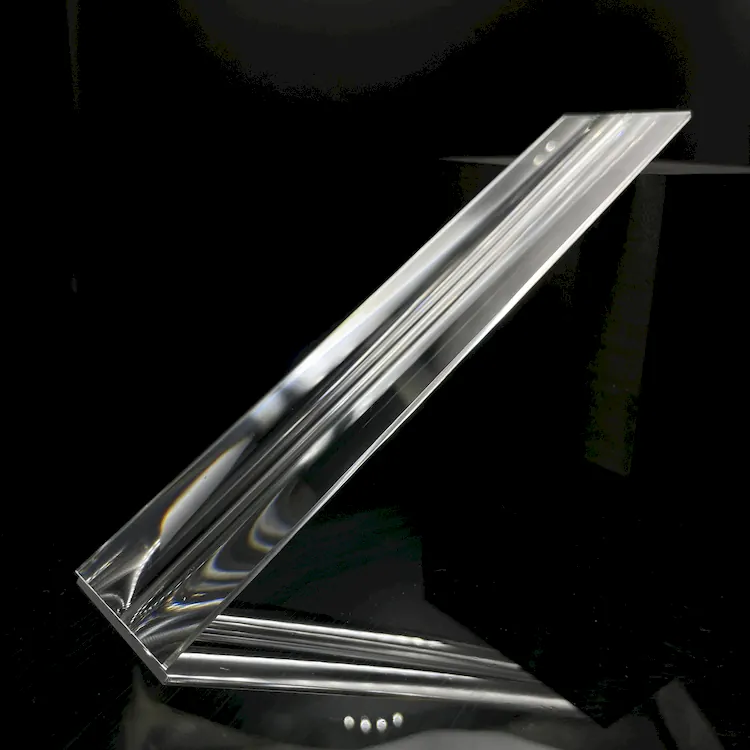
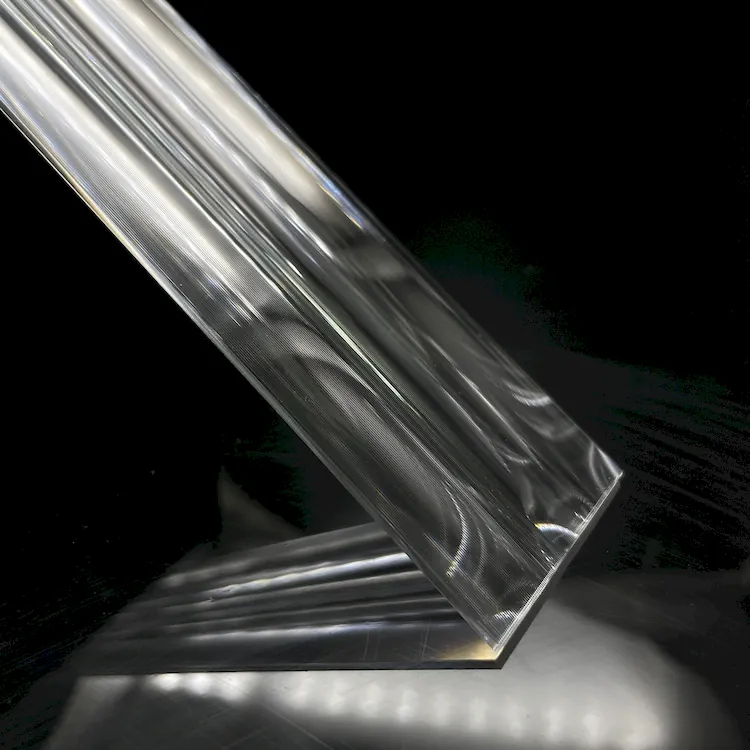
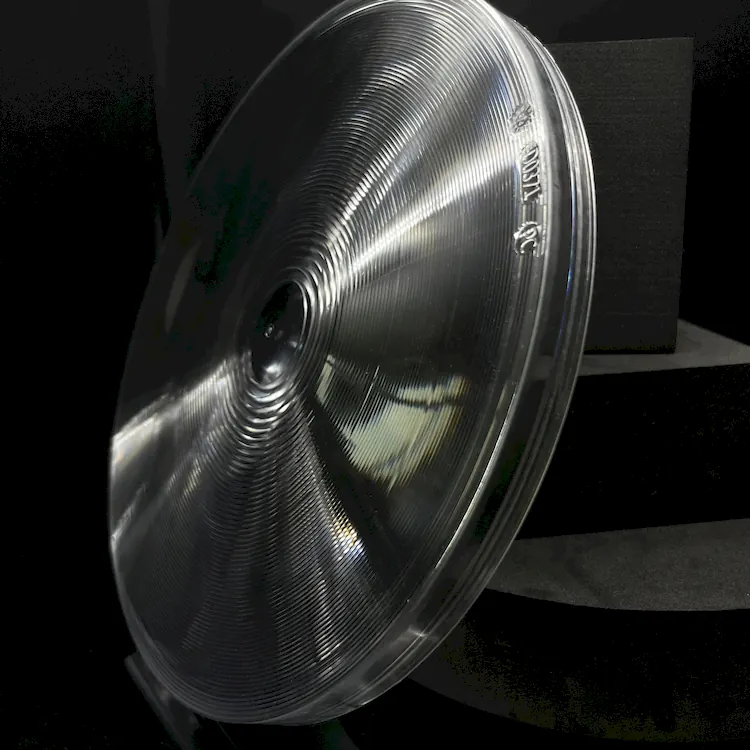
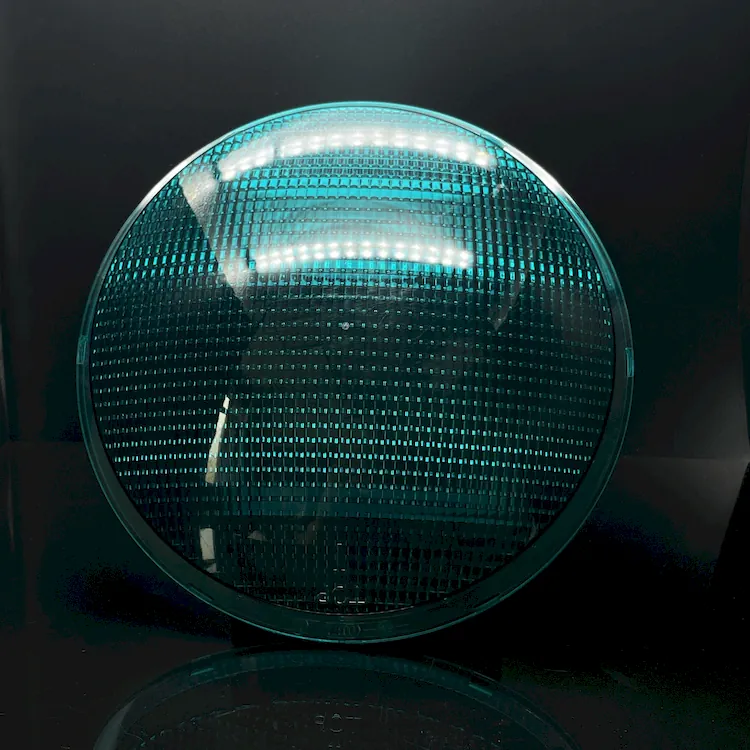
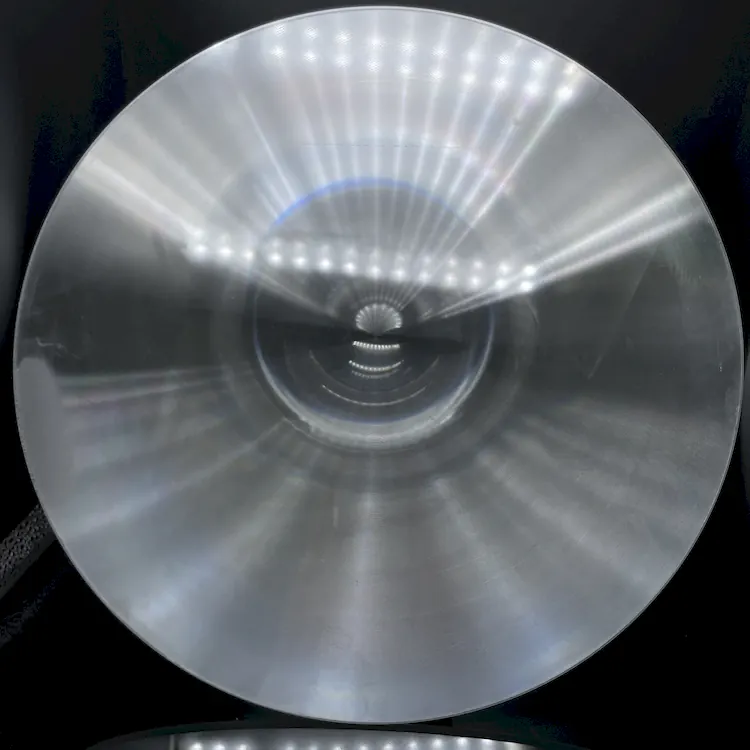
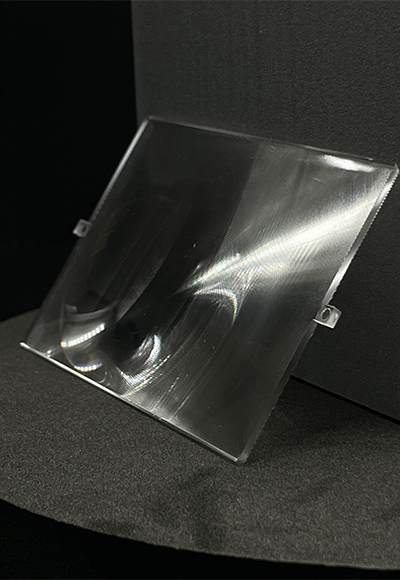
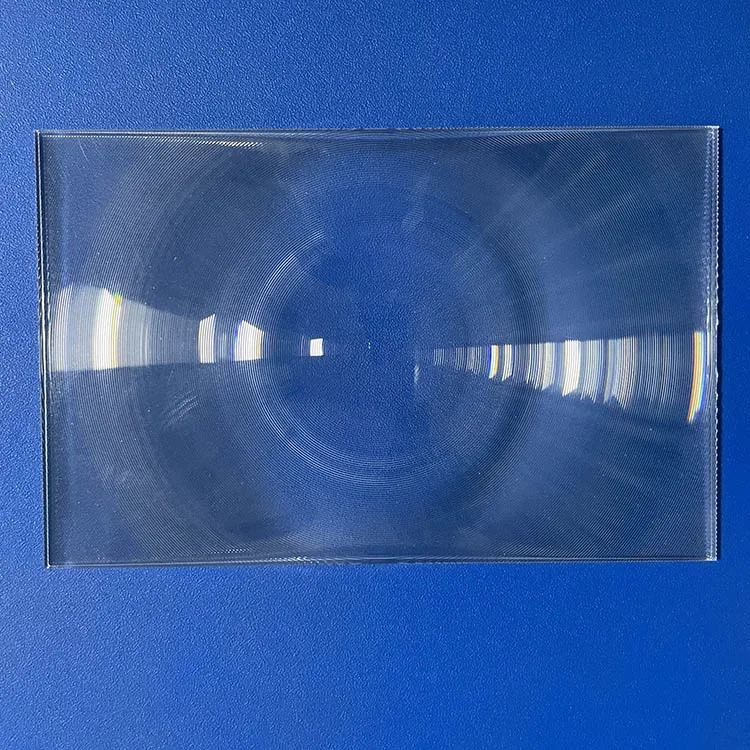
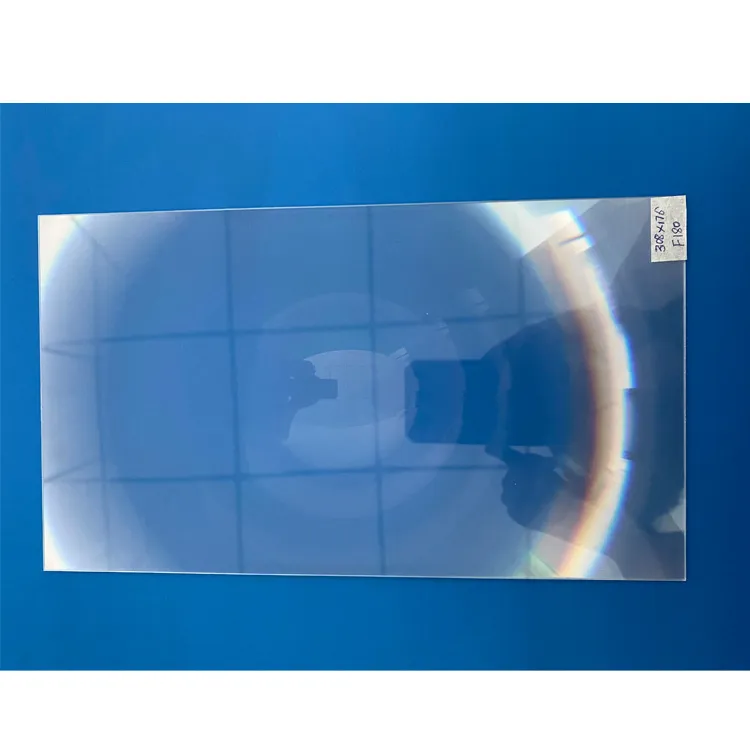
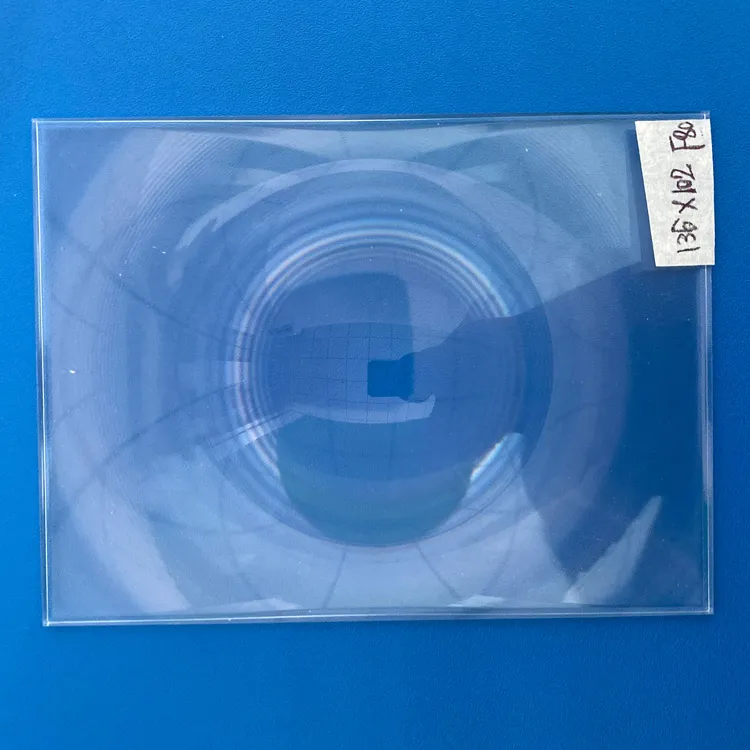
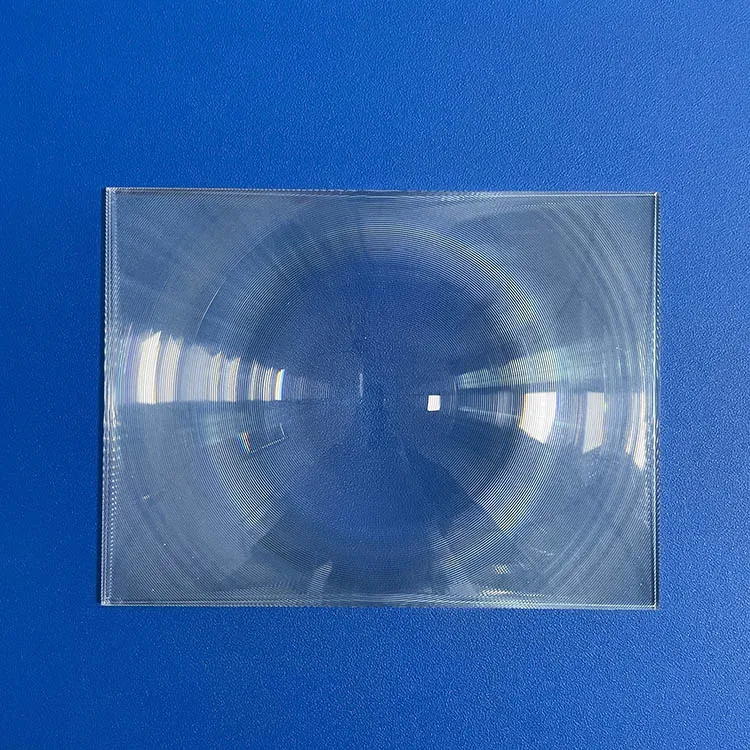
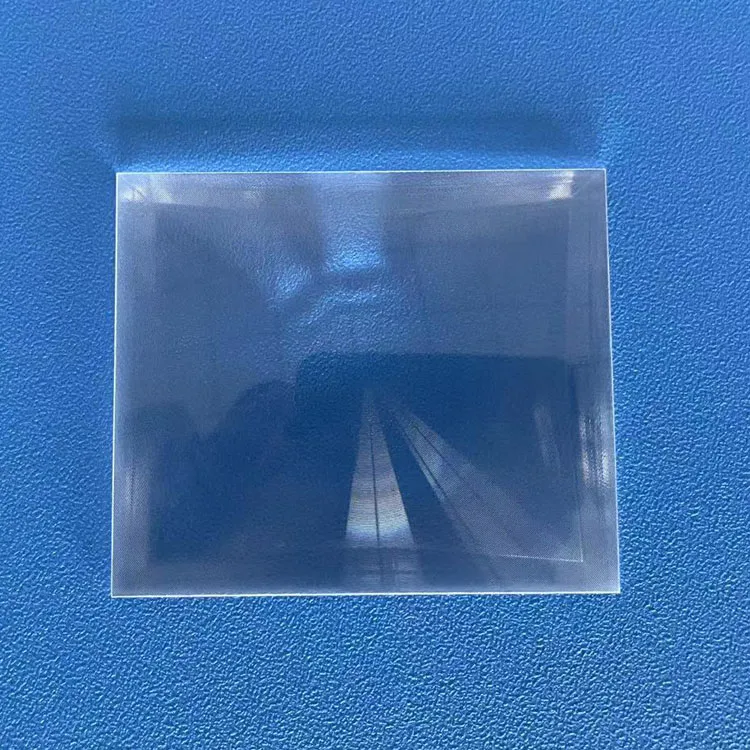
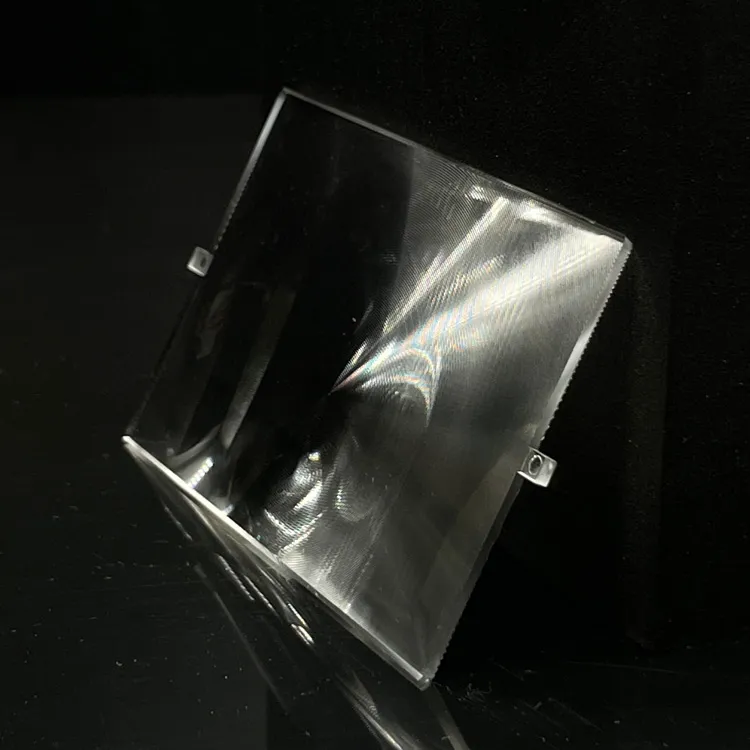
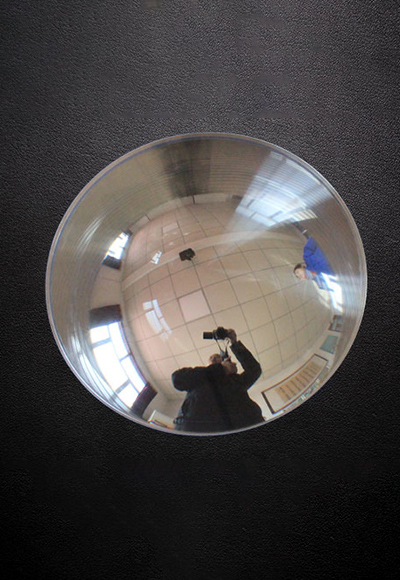
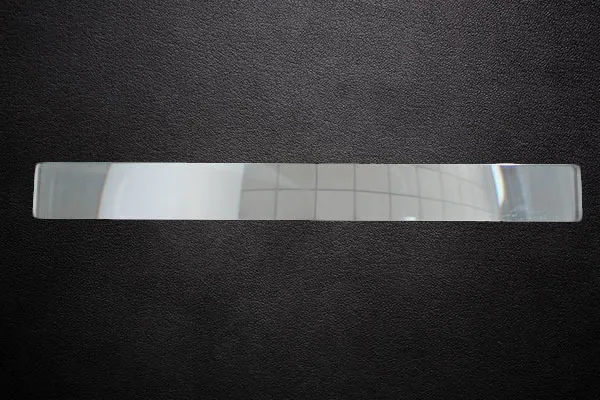
Positive Fresnel lenses are the most widely used type of Fresnel optics. From an optical standpoint, they function similarly to traditional convex lenses while offering significant advantages in weight reduction and structural flexibility.
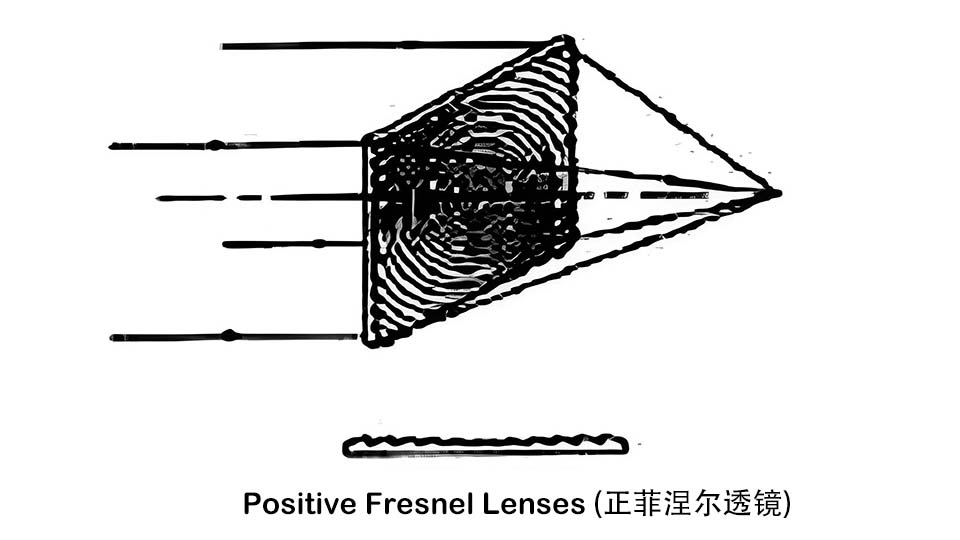
Optical Working Principle
A positive Fresnel lens refracts incoming light so that:
- Light enters from one side of the lens
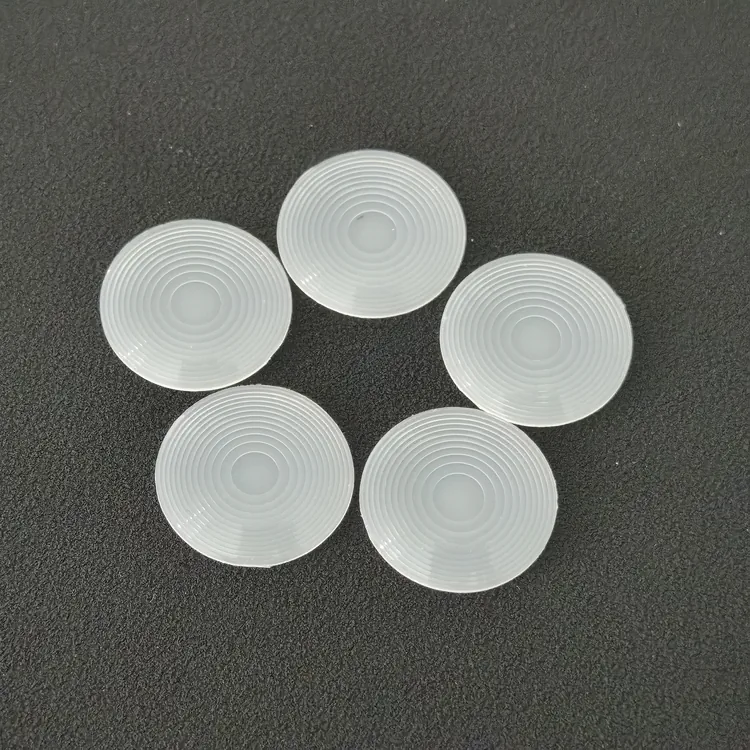
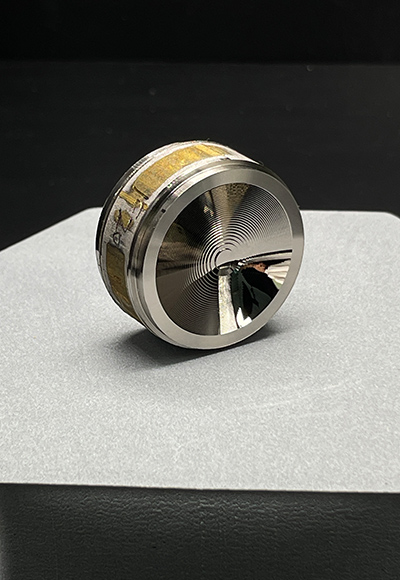
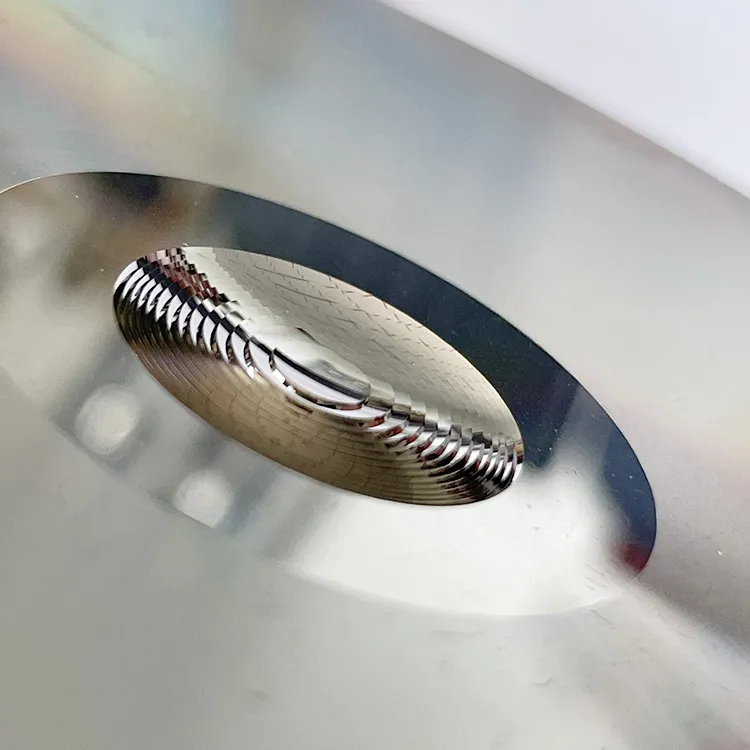
- The stepped concentric grooves redirect the rays
- Light converges on the opposite side to form a real focal point, or exits as a collimated beam
The focal point is located on the opposite side of the incoming light, classifying the lens as a finite-conjugate optical system.
Key Optical Characteristics
- Equivalent to a convex lens
- Capable of focusing, collimation, and magnification
- Enables large apertures with minimal thickness
- High optical efficiency with reduced material usage
Typical Industrial Applications
Projection Systems
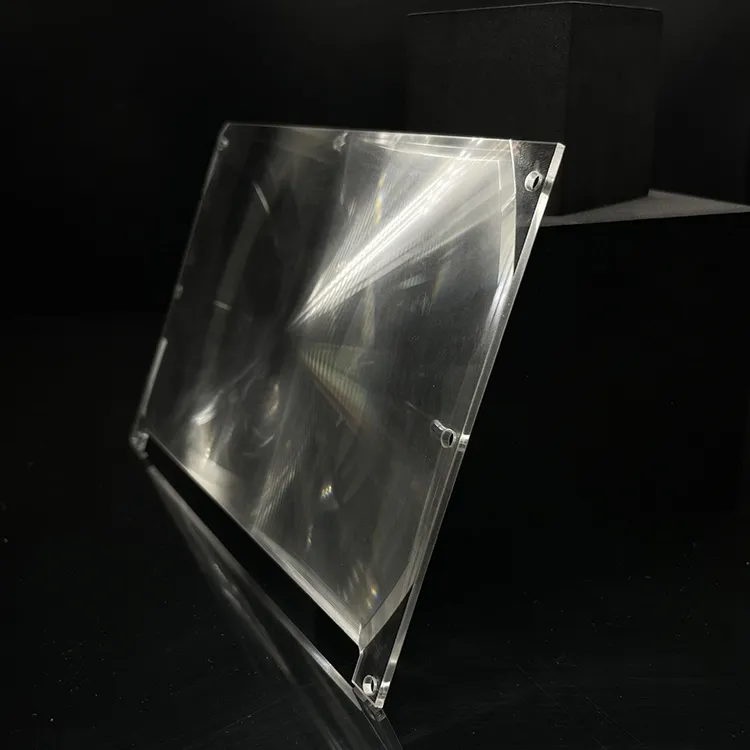
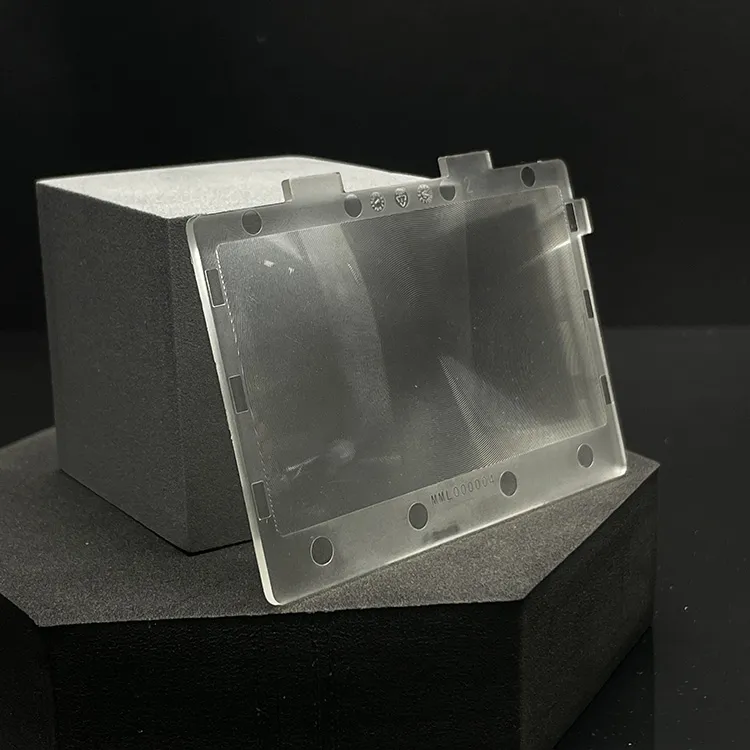
Positive Fresnel lenses are widely used in projection equipment to collimate light, improve brightness, and enhance image uniformity.
Magnification and Display Enhancement
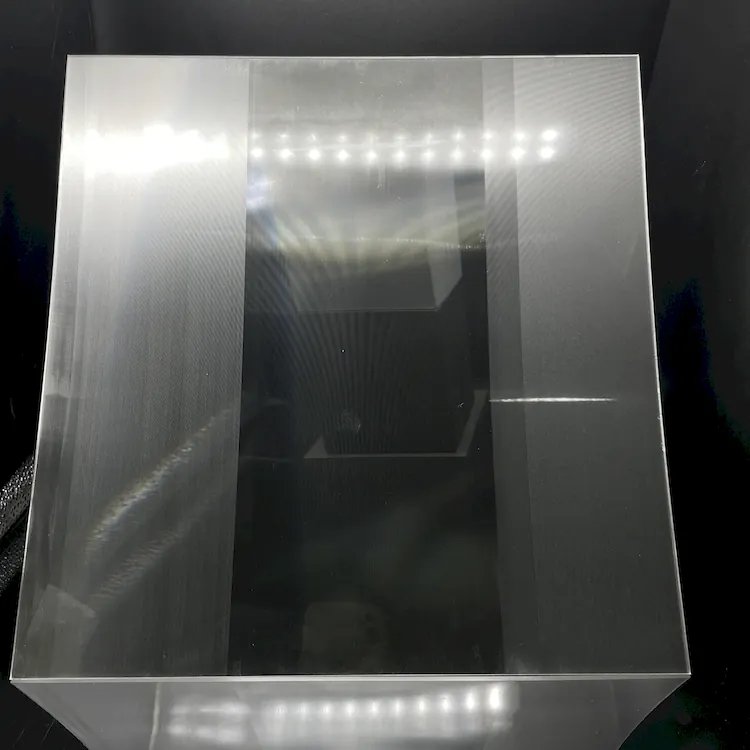
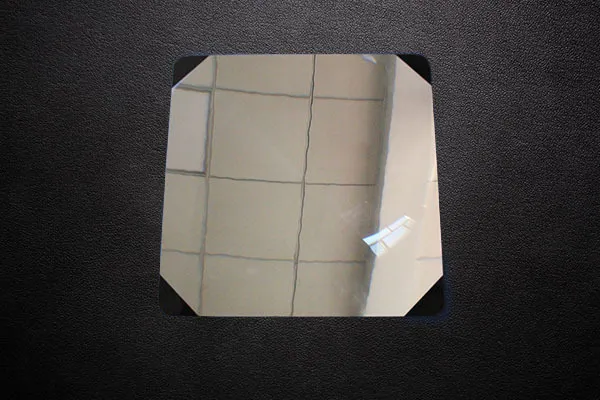
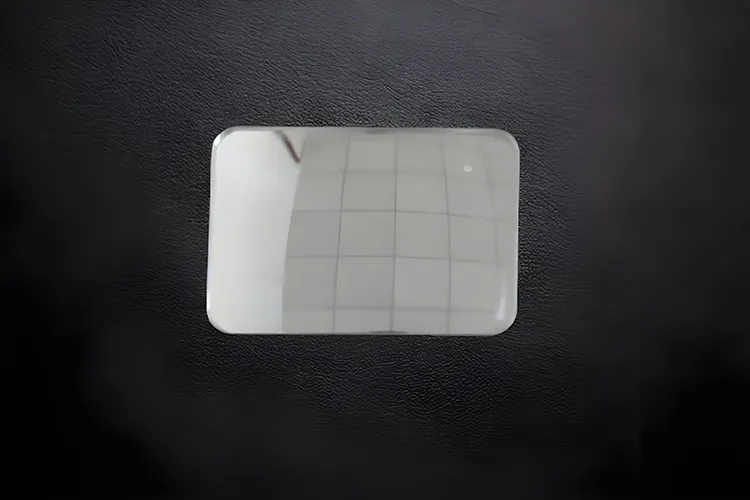
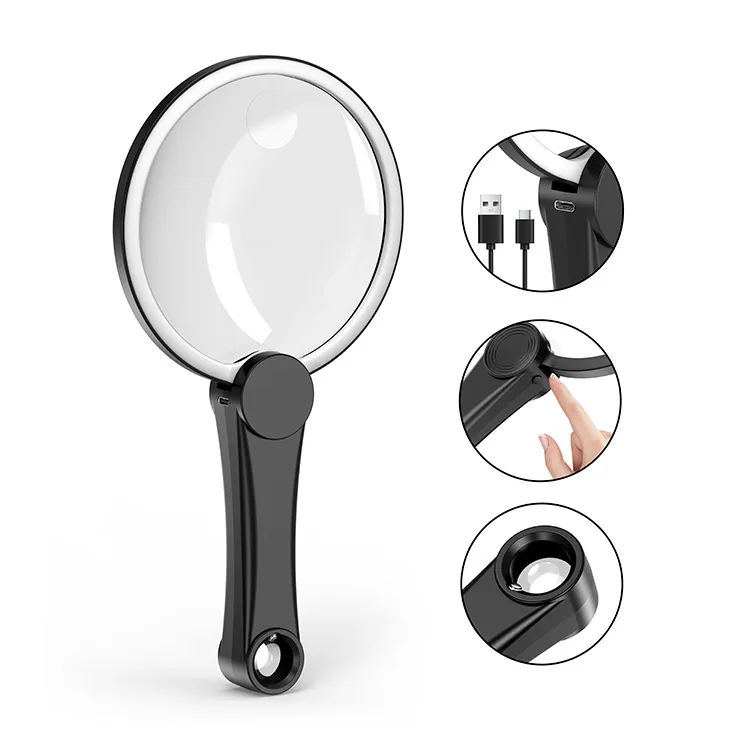
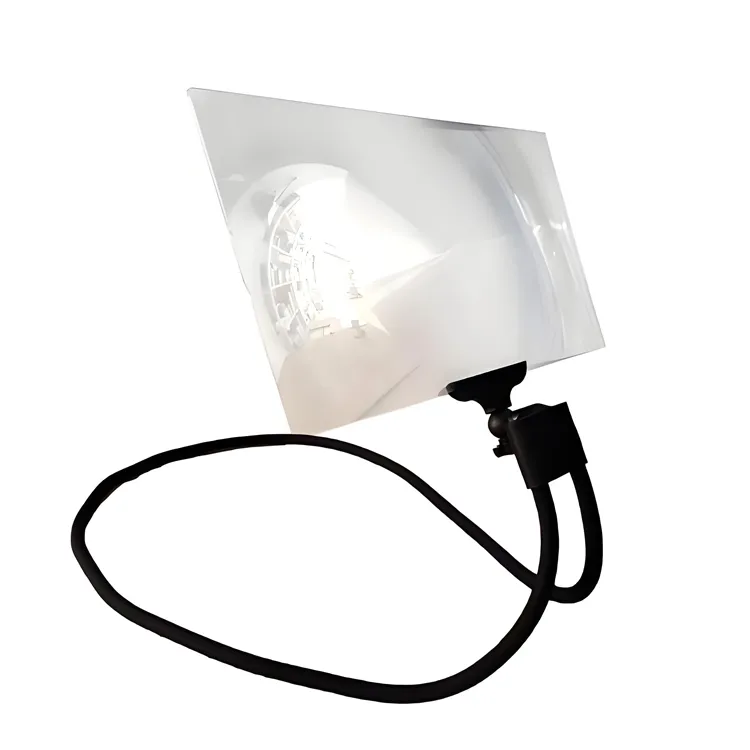
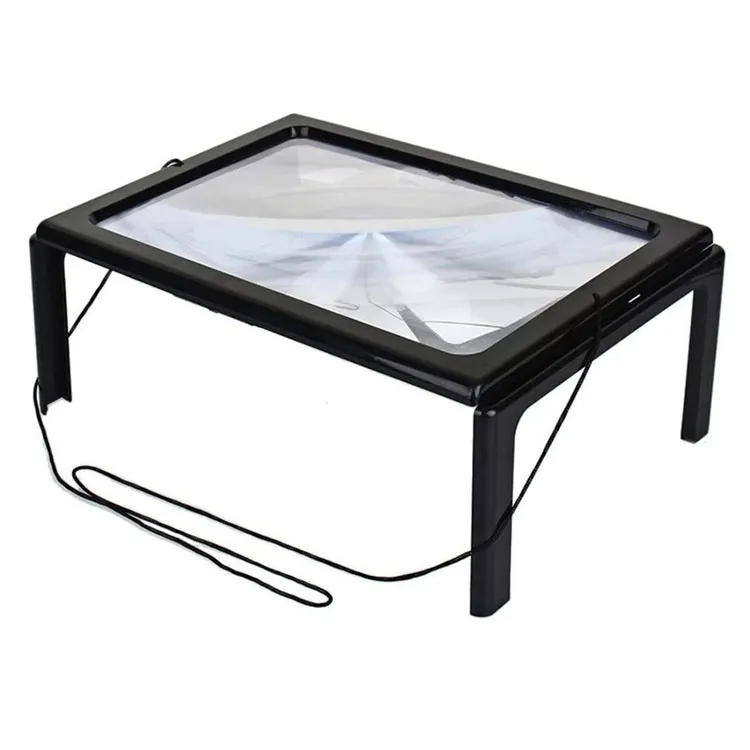
They are commonly applied in Fresnel magnifiers, screen magnifiers, and reading aids, especially where large viewing areas are required.
Solar Energy Concentration
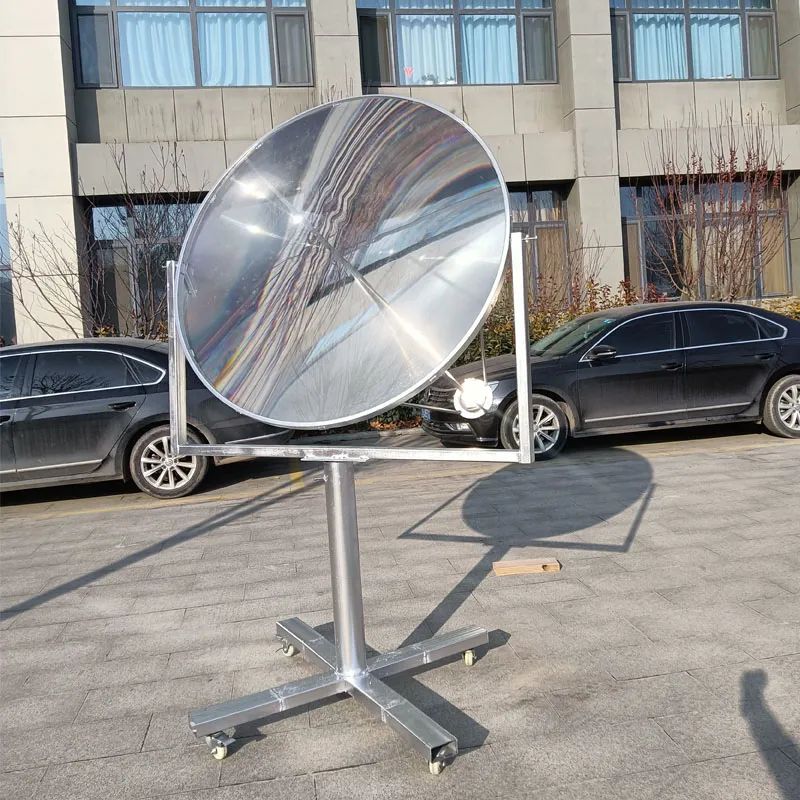
In solar applications, positive Fresnel lenses concentrate parallel sunlight into a small focal area for photovoltaic or thermal energy systems.
Conclusion
Understanding the optical differences between positive and negative Fresnel lenses is fundamental to designing efficient optical systems. By matching the correct Fresnel structure with the intended application—whether light focusing, collimation, or sensing—engineers can achieve optimal performance with compact and cost-effective designs.
For customized Fresnel lens solutions, both positive and negative configurations can be precisely engineered to meet specific optical and mechanical requirements.
Yuying Optical – Where Precision Meets Innovation.
Learn more: www.yuyingfresnel.com
[Email] sakura@yuyingfresnel.com | sakura@yuying-sd.com
[Phone | Whatsapp | Wechat ] +86 13826507576
Related Reading
To learn how Fresnel lenses are used for light divergence, sensing, and reflective optical control, see our article:
Negative Fresnel Lenses: Optical Principles and Applications
Q1: What is a positive Fresnel lens?
A positive Fresnel lens is a thin optical element equivalent to a convex lens. It focuses or collimates incoming light to form a real focal point on the opposite side of the lens.
Q2: Where is the focal point of a positive Fresnel lens located?
The focal point is located on the opposite side of the incoming light, making it a finite-conjugate optical system.
Q3: What are positive Fresnel lenses used for?
They are commonly used in projection systems, Fresnel magnifiers, screen magnifiers, and solar concentrating applications.
Q4: Why use a Fresnel lens instead of a traditional convex lens?
Fresnel lenses provide similar optical performance with significantly reduced thickness, weight, and material consumption.
Q5: Can positive Fresnel lenses be customized?
Yes. Focal length, diameter, groove pitch, thickness, and material can all be customized for specific applications.