
.webp)
.webp)
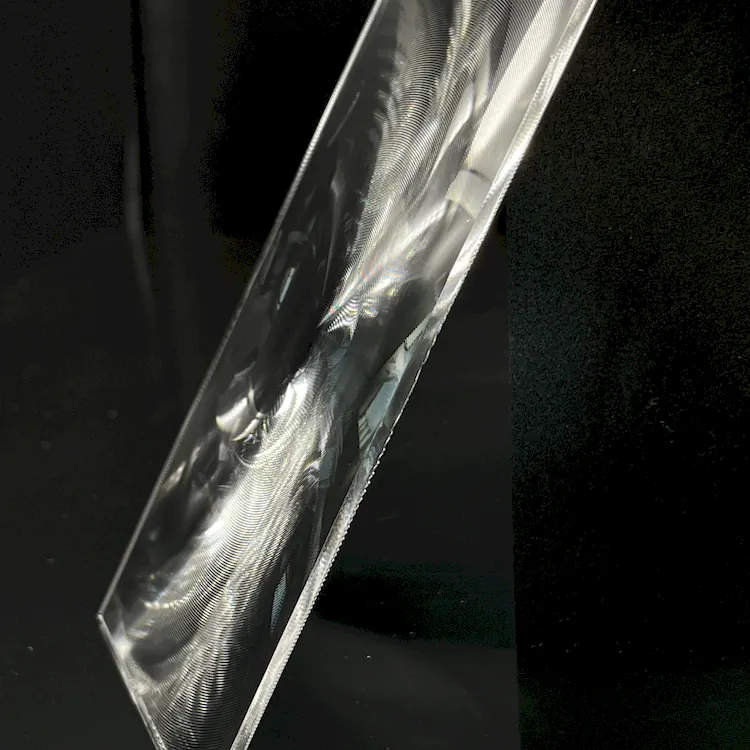
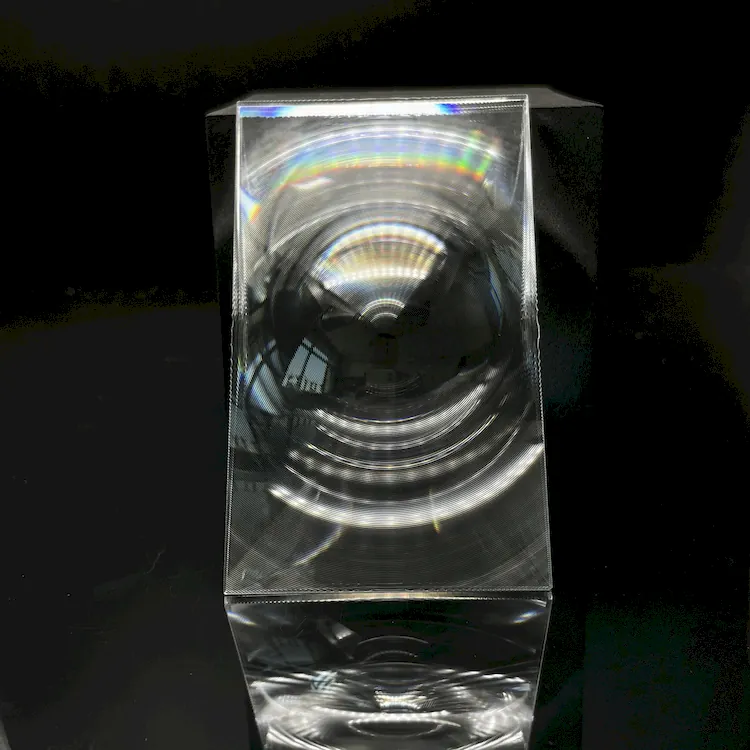
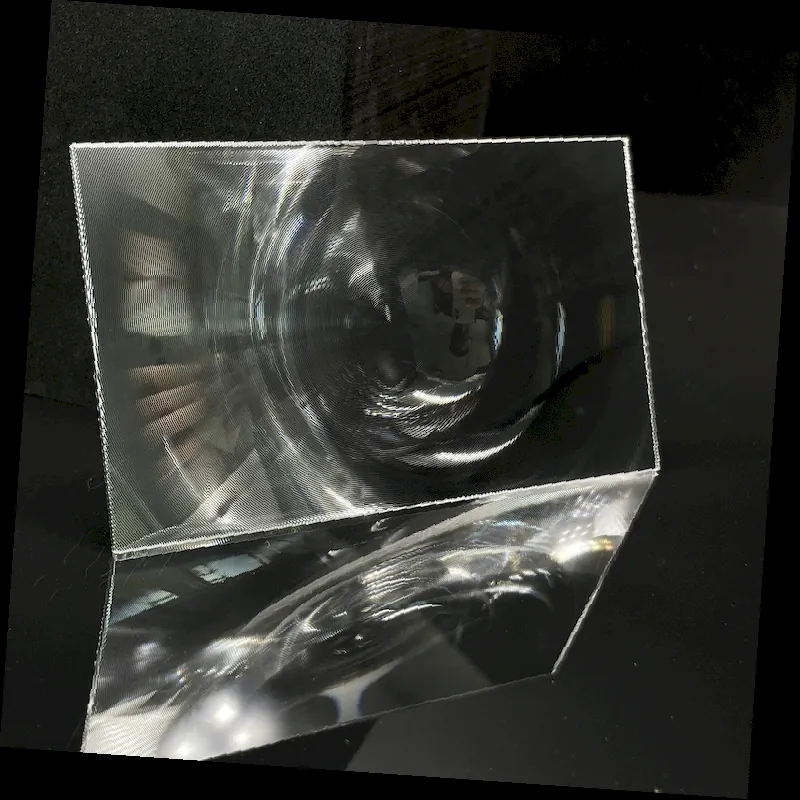
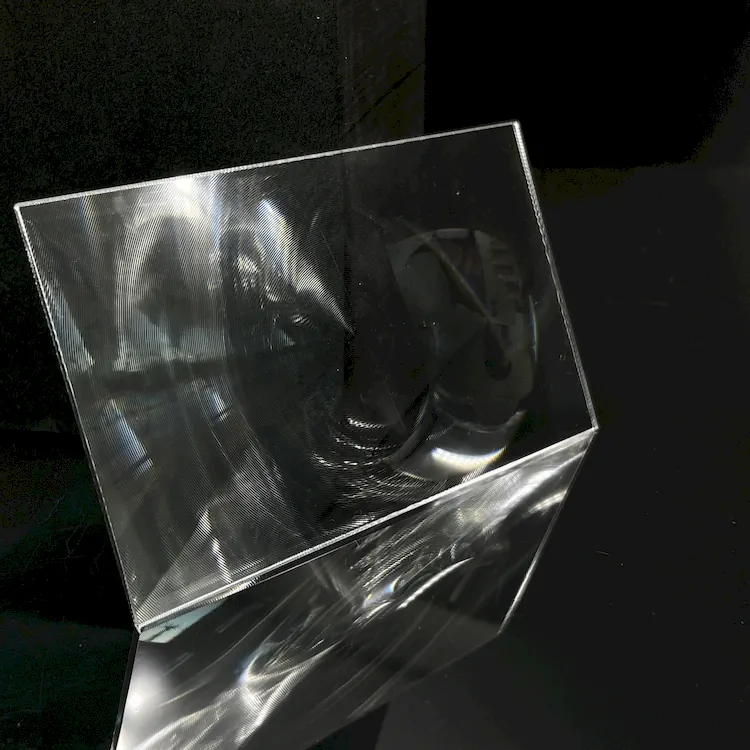
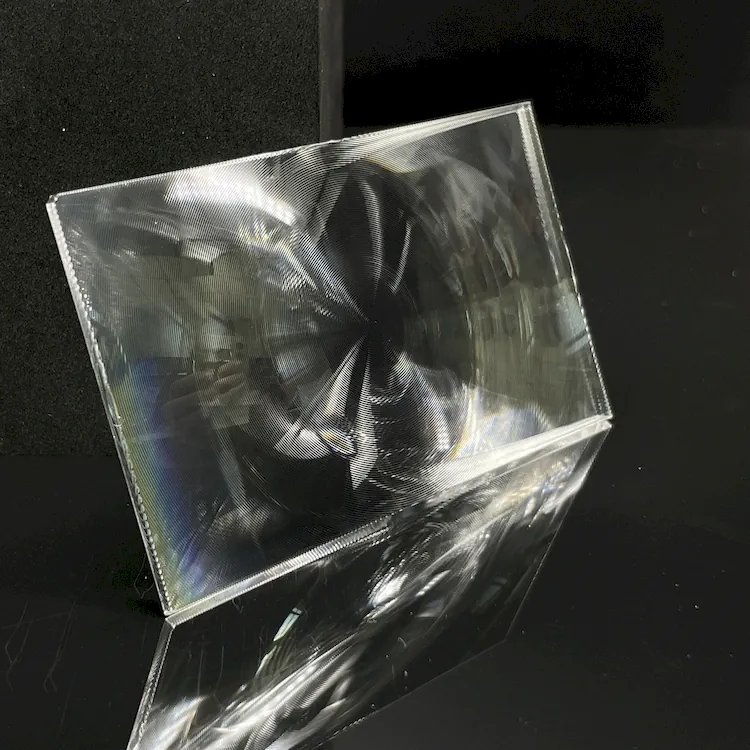
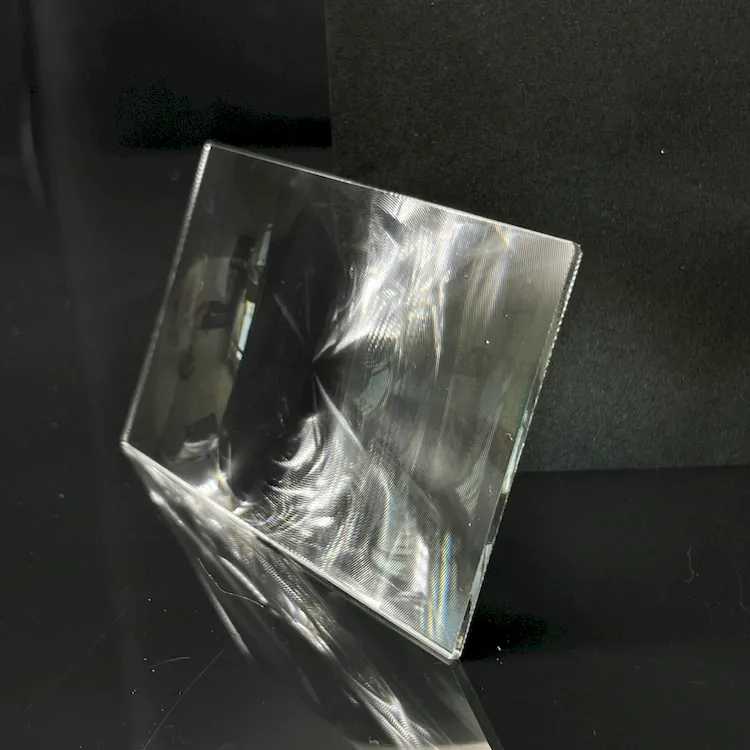
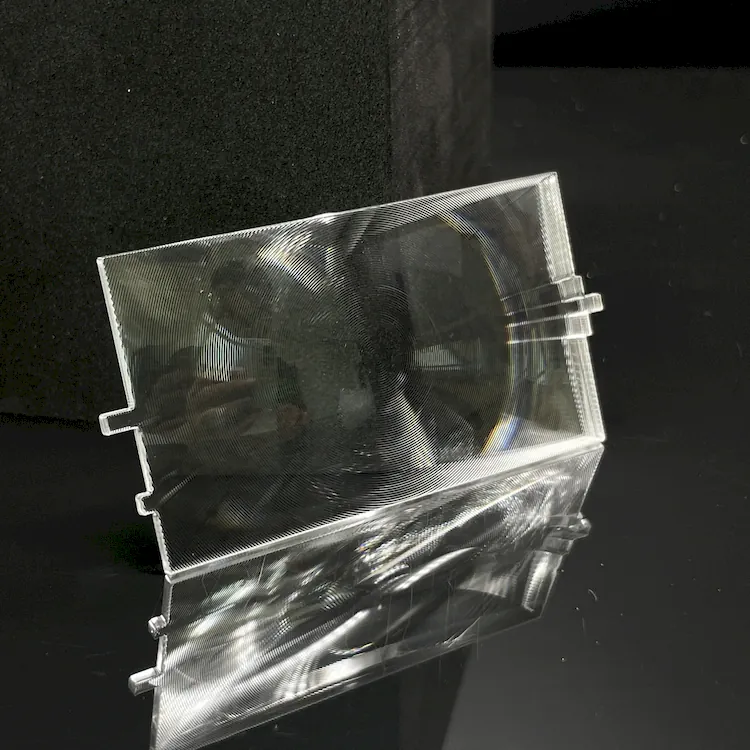
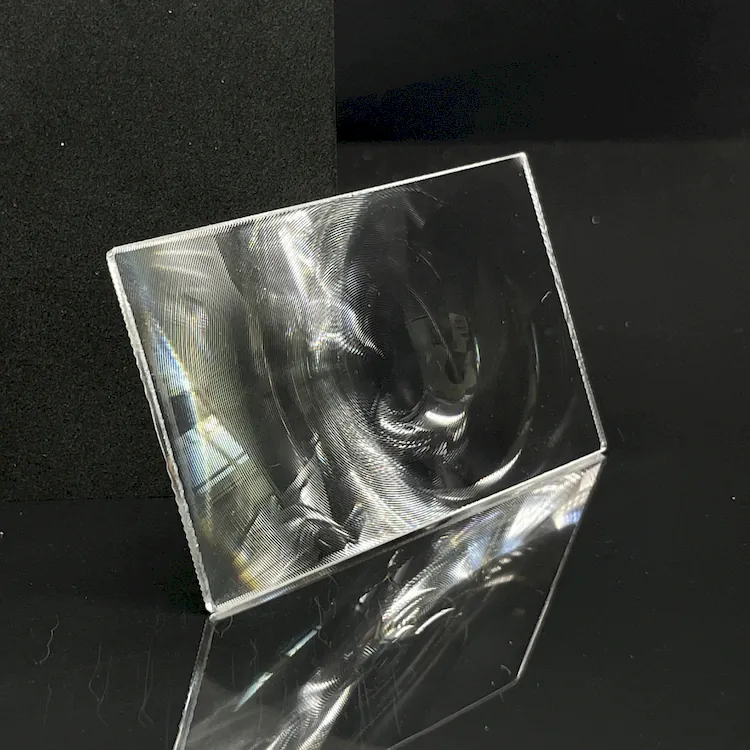
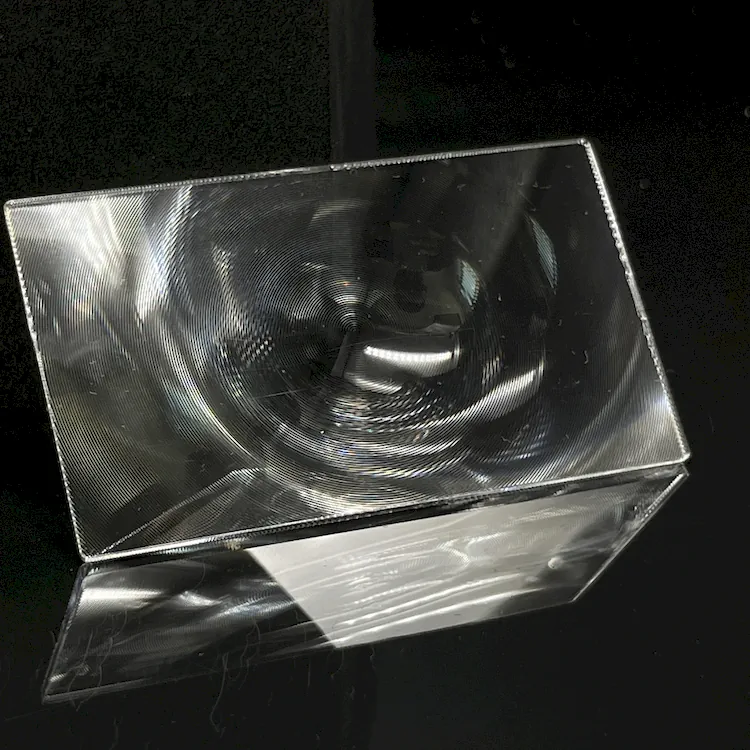
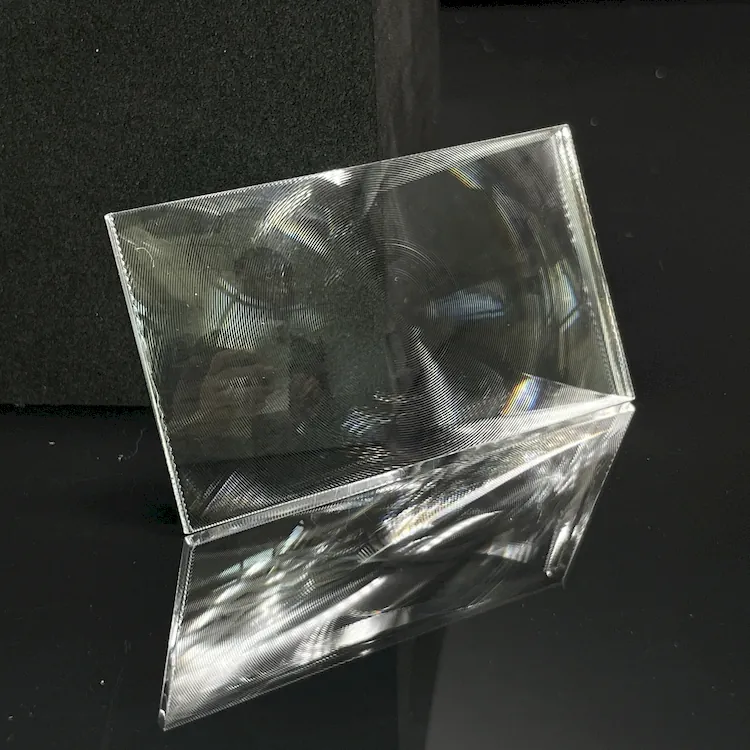
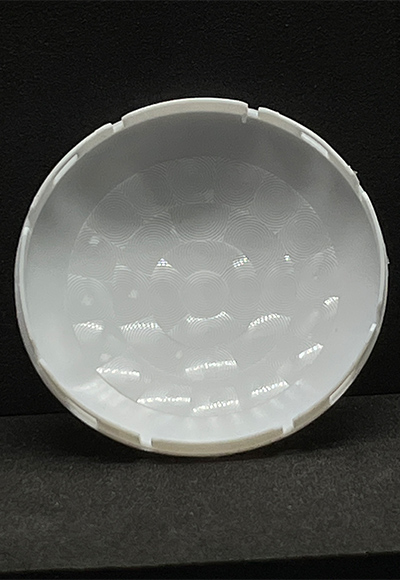
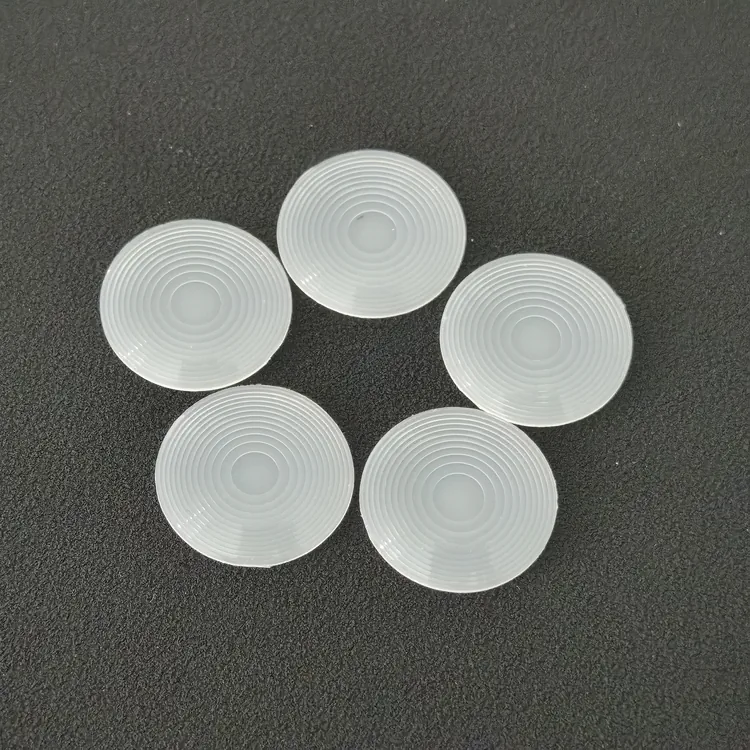
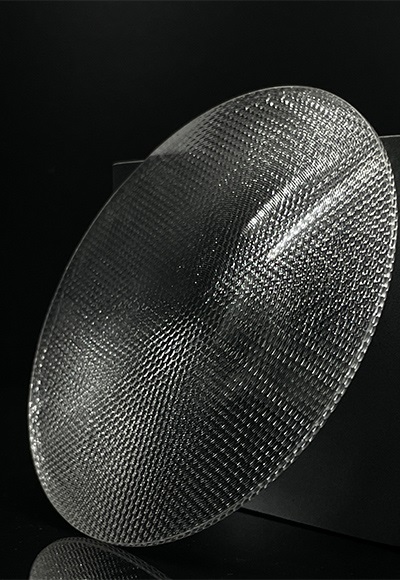
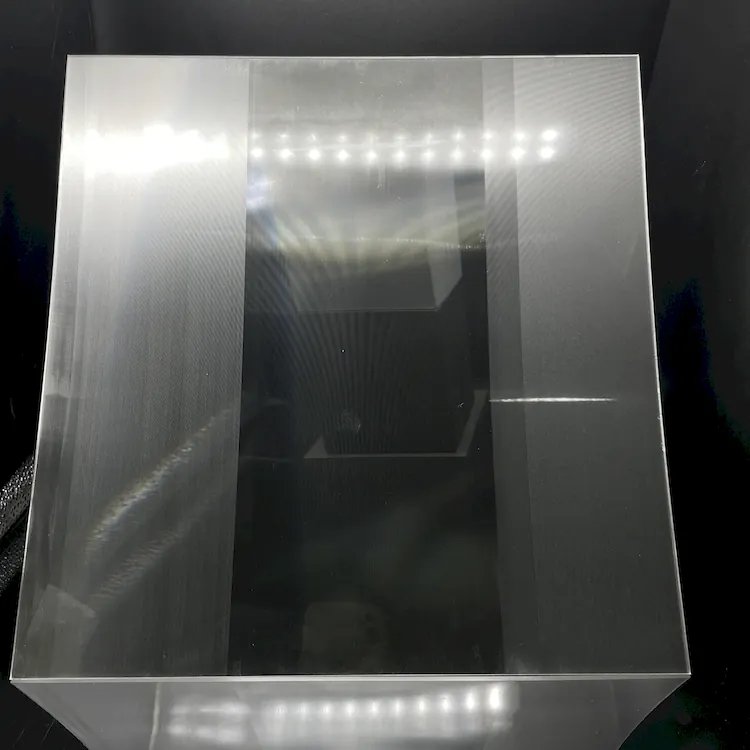
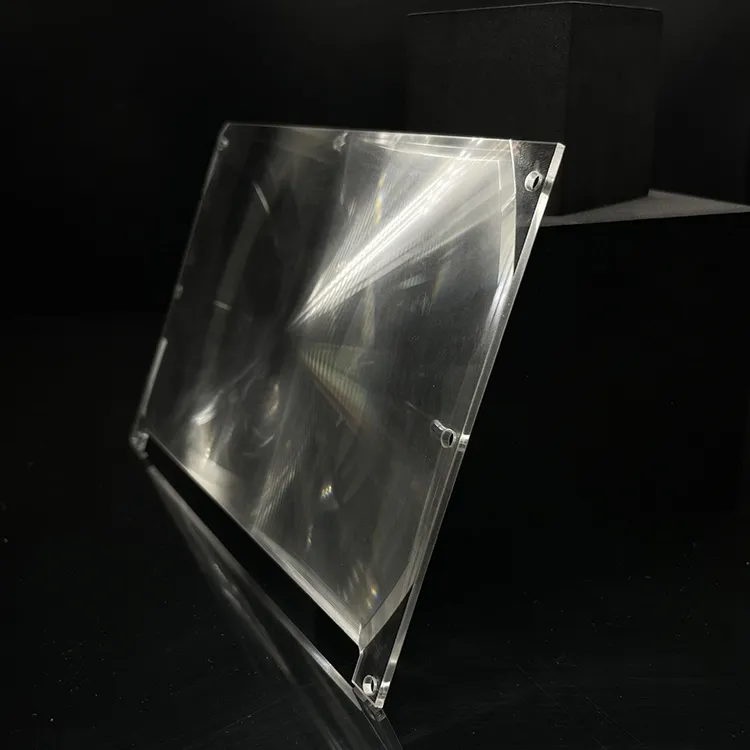
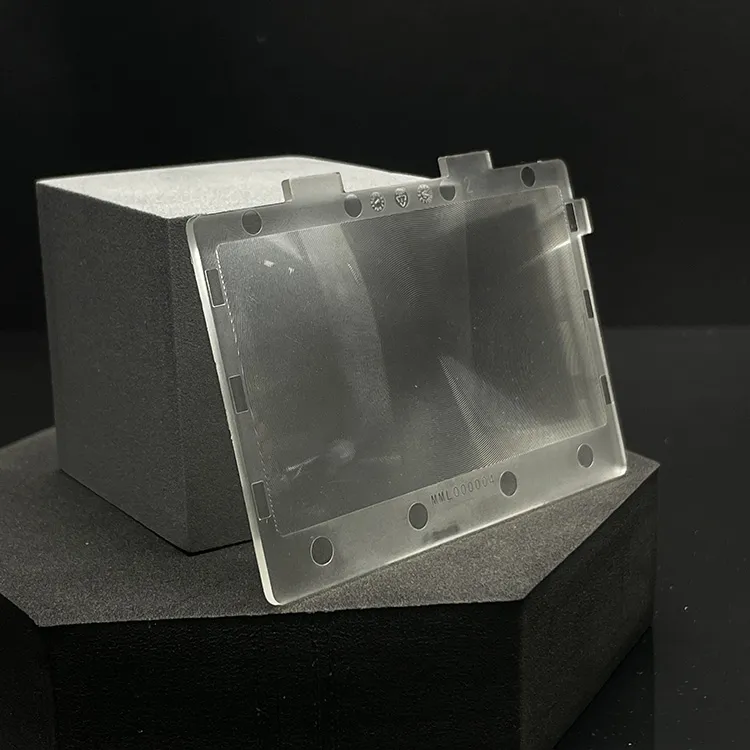
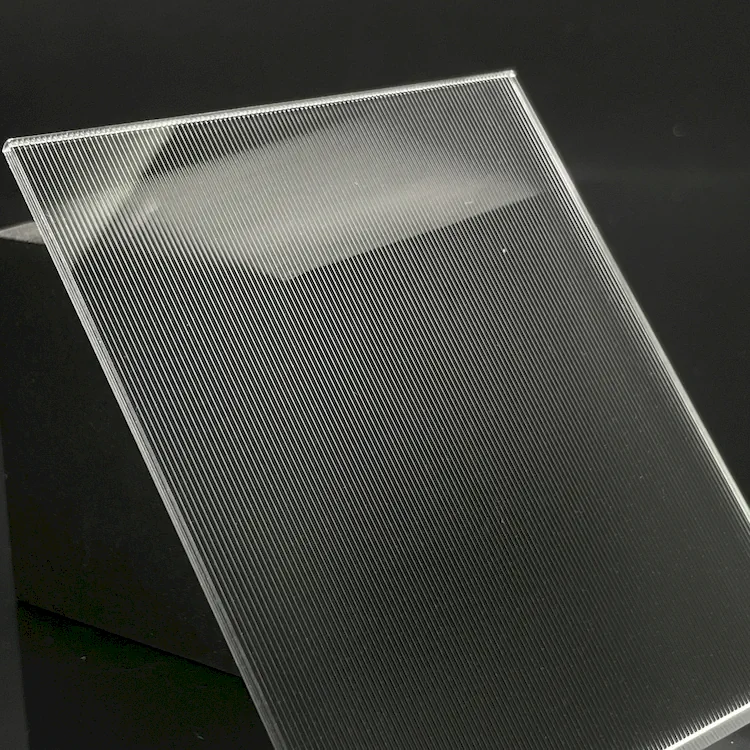
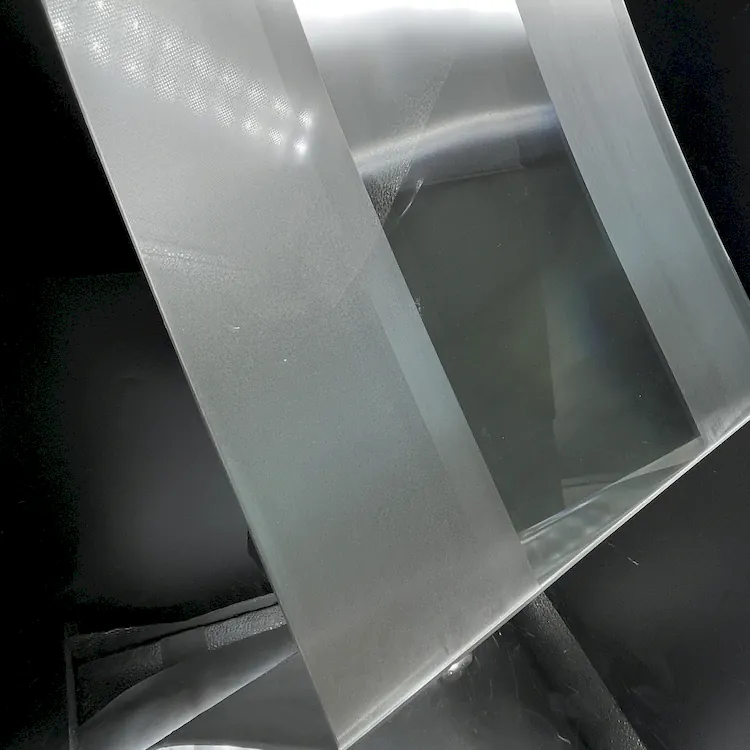
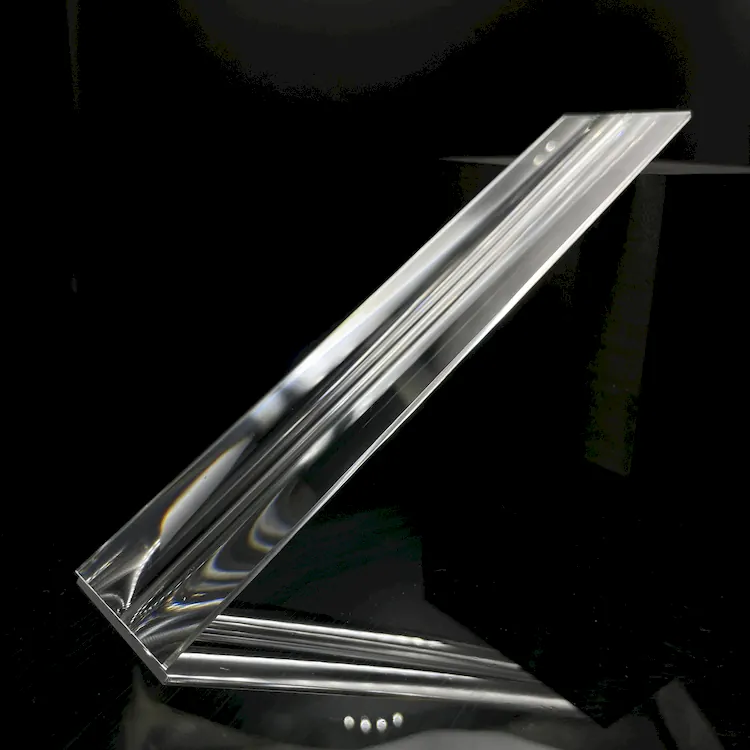
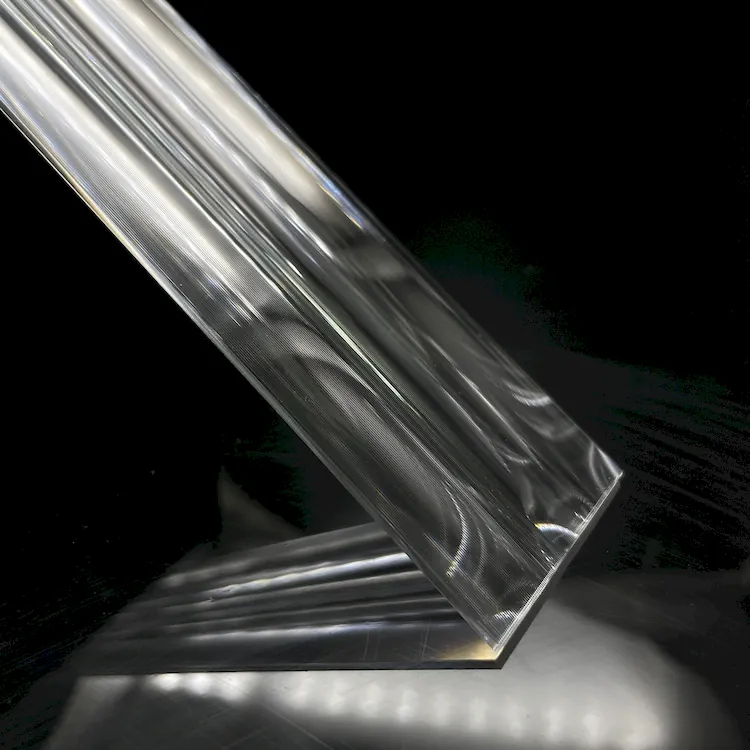
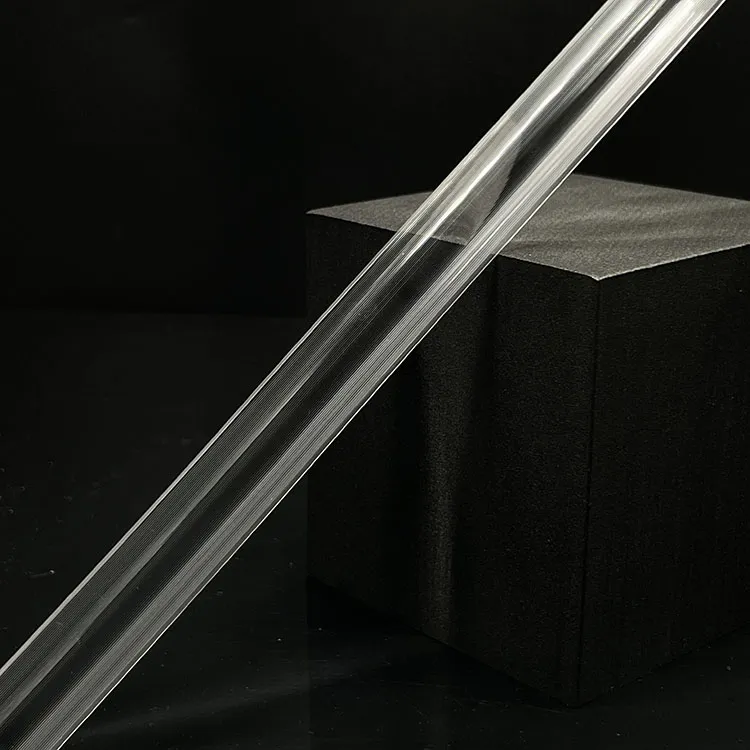
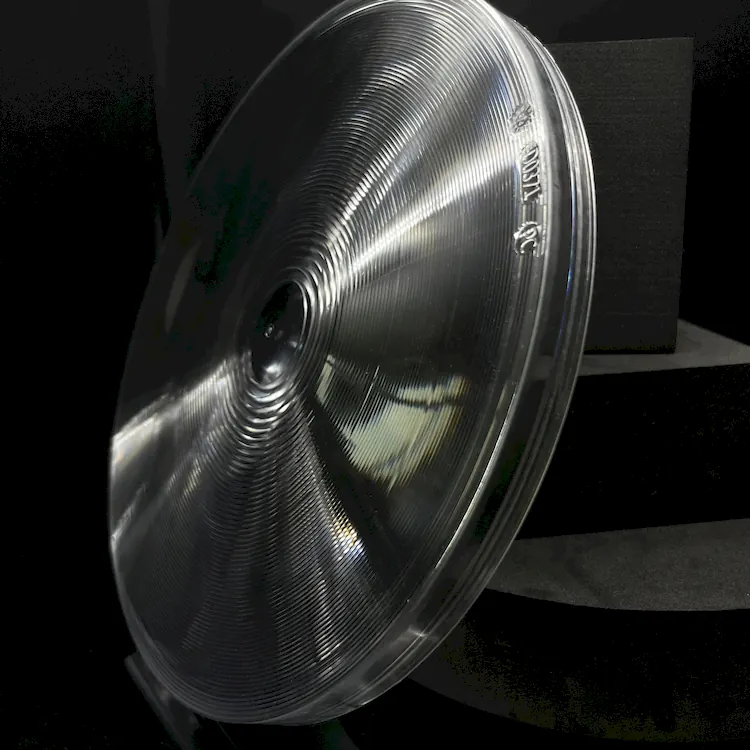
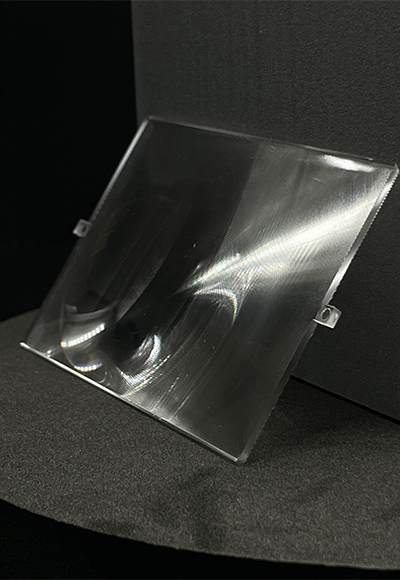
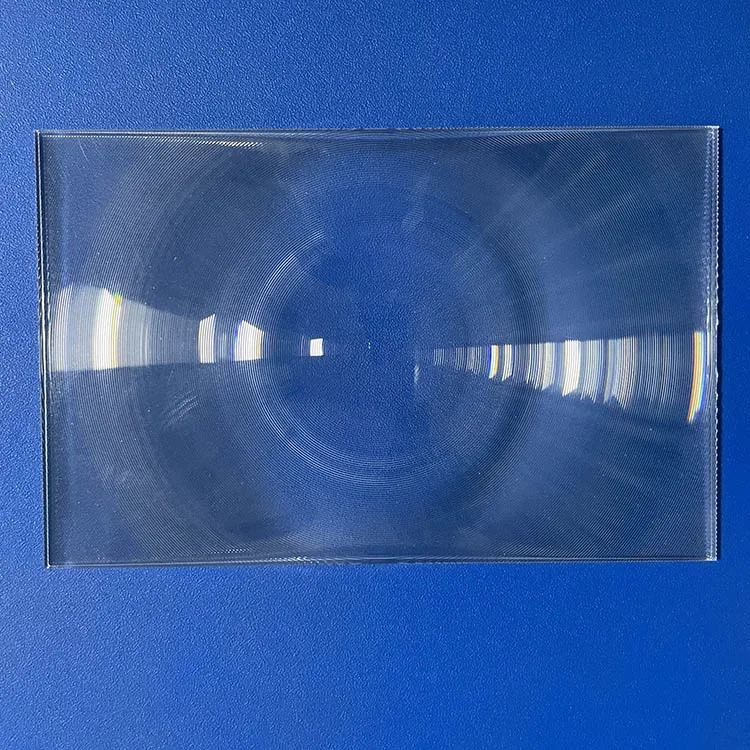
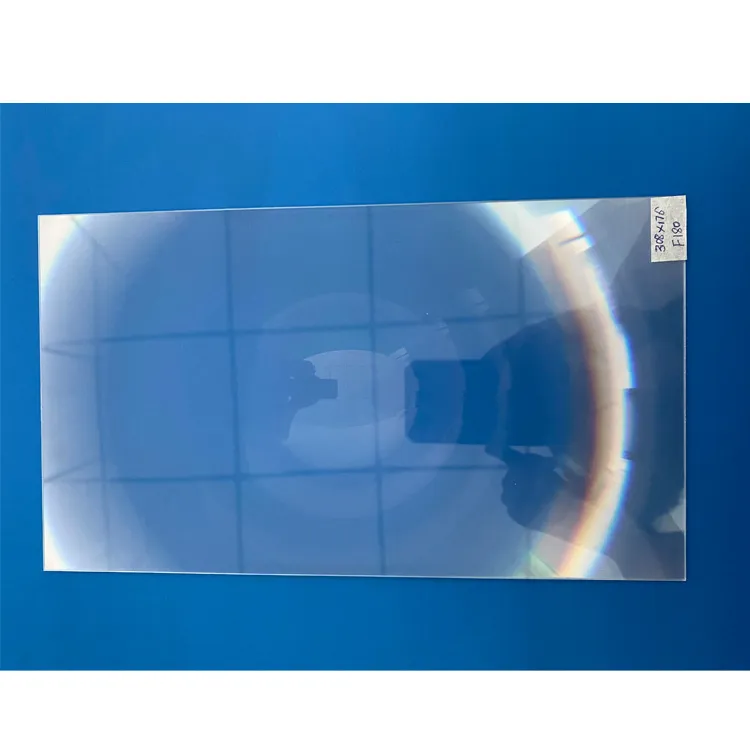
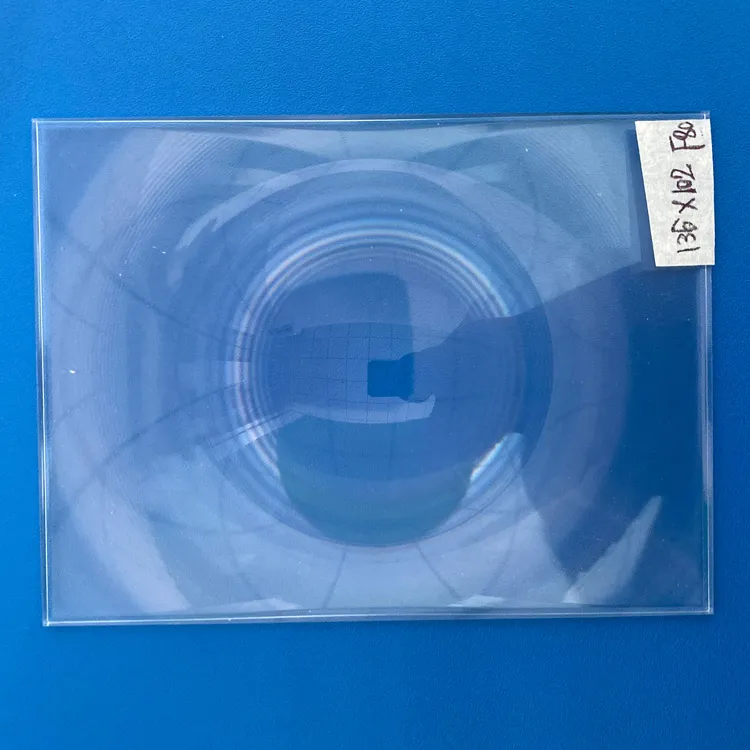
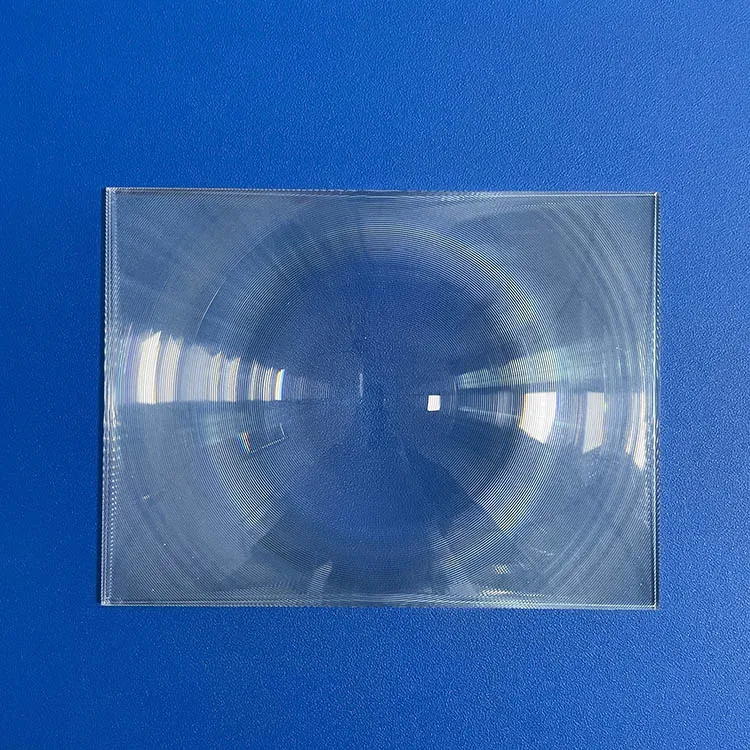
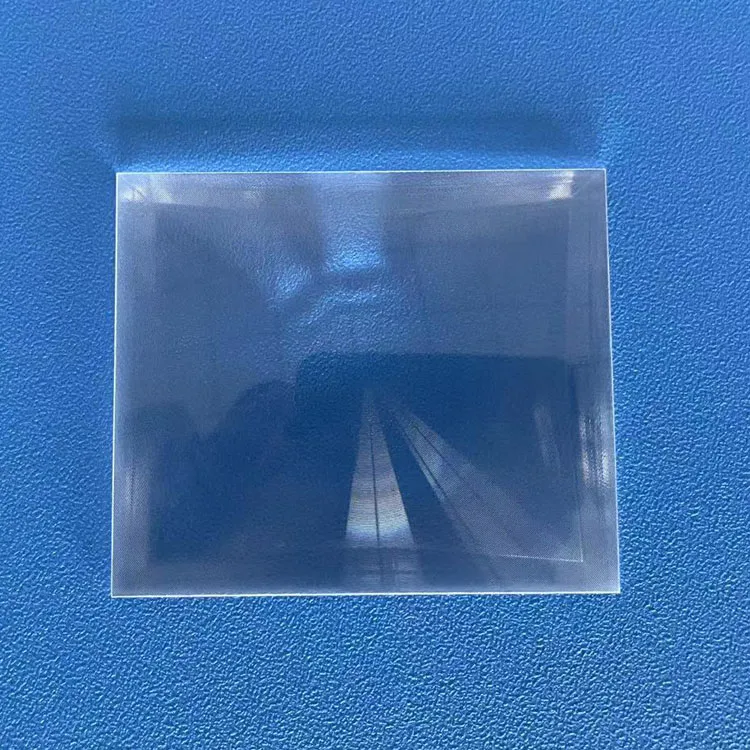
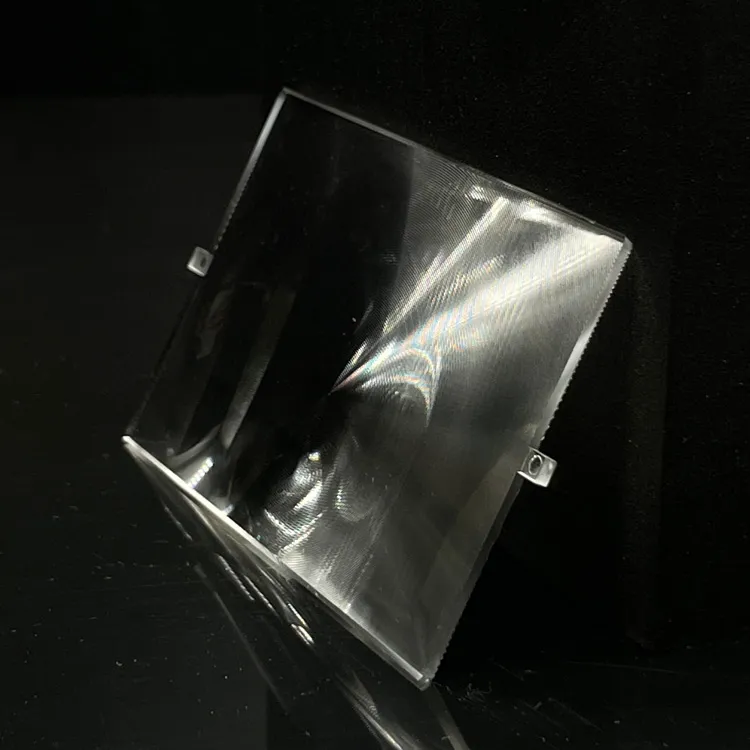
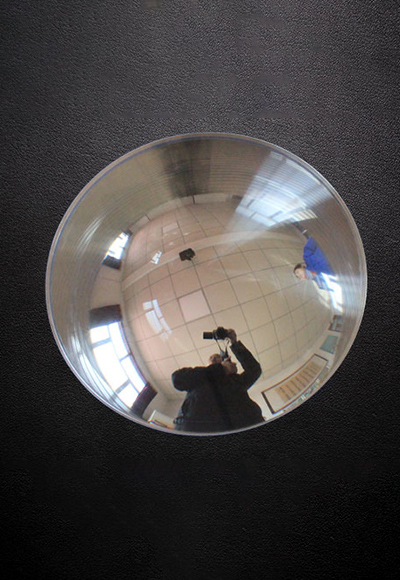
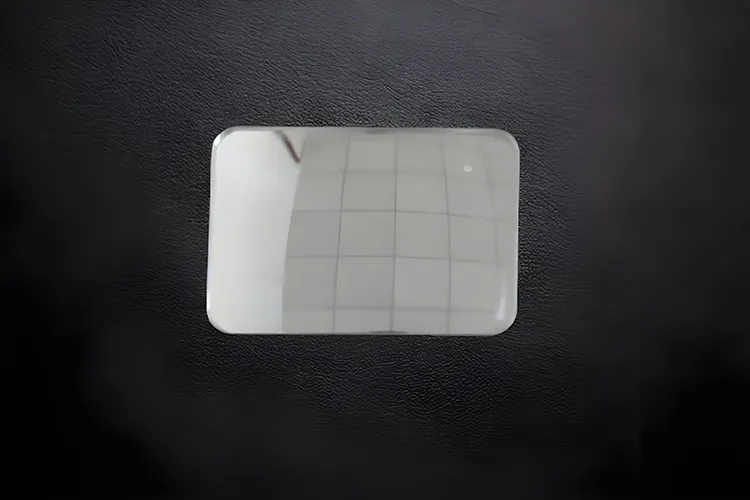
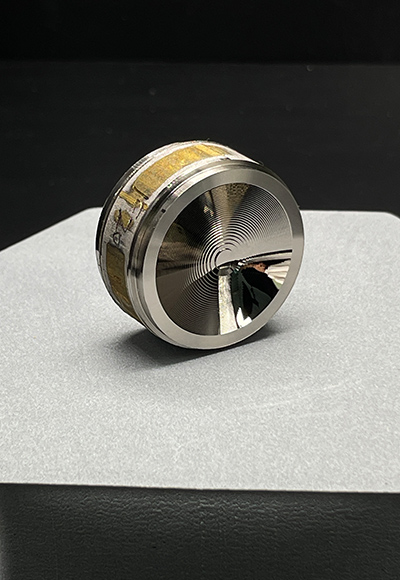
[Product Name] High Clarity Low-Fog Fresnel Lens
[Manufacturer] Shandong Yuying Optical Instrument Co., Ltd
[Available Sizes] Optical-grade PMMA (Acrylic)
[Optical Role] Rear-Side Display Interface Layer
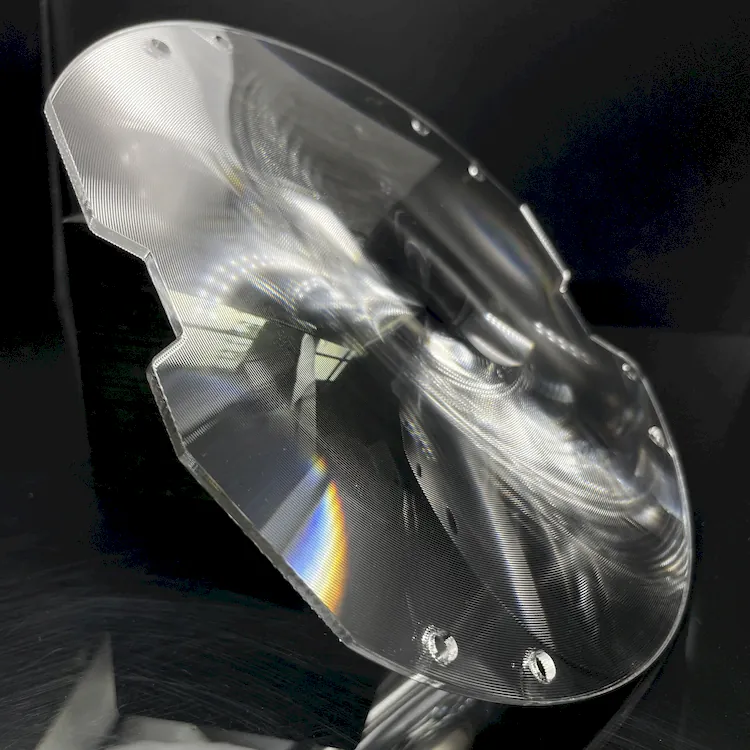
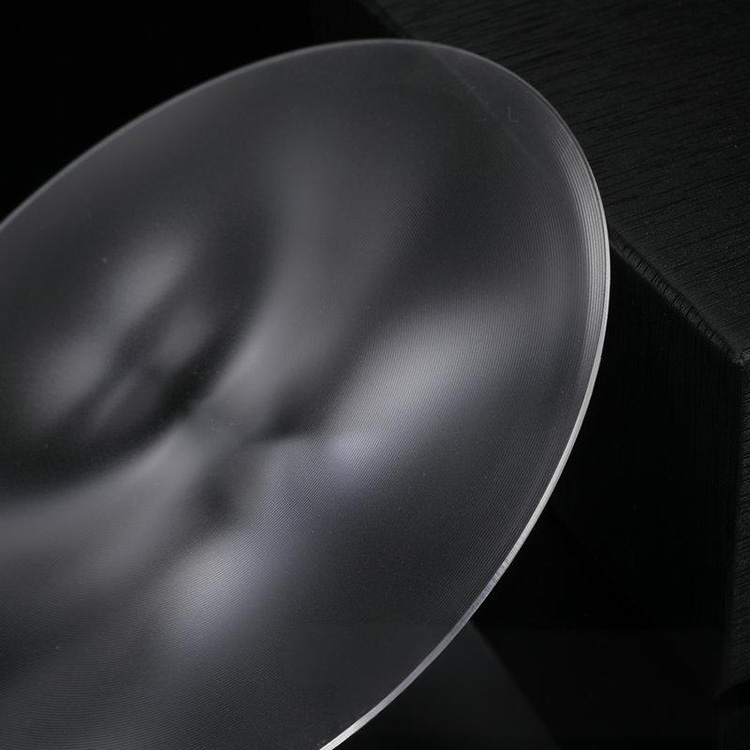
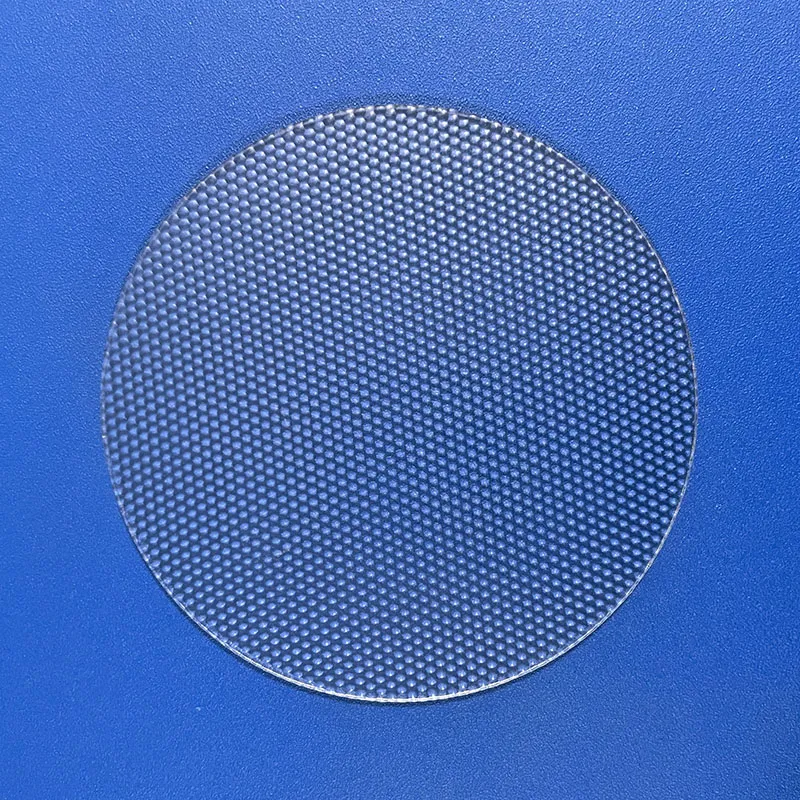
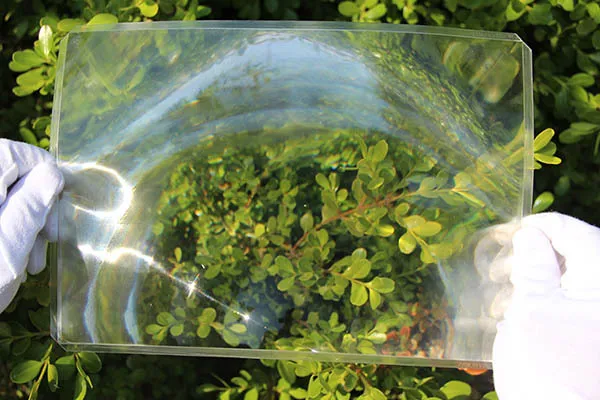
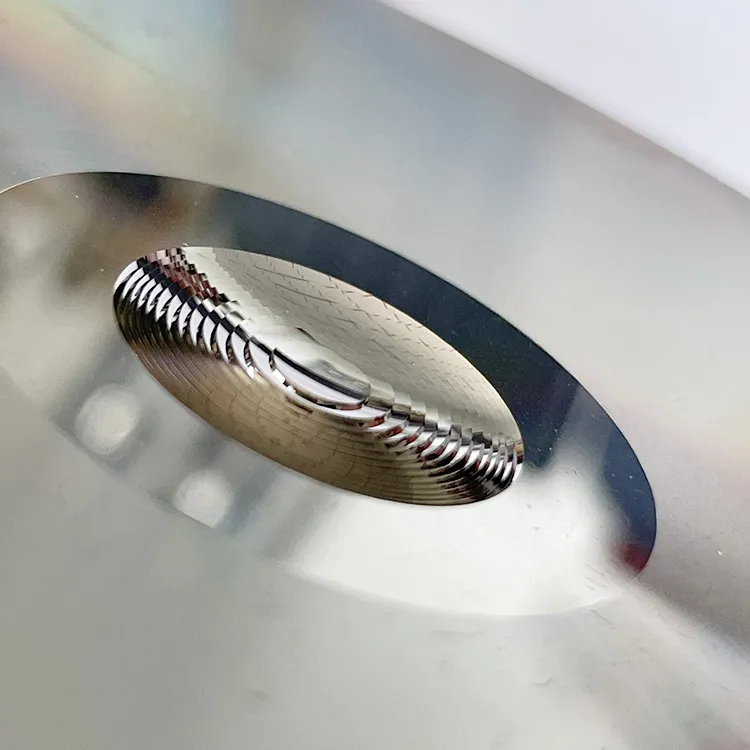
[Surface Profile] Fine Circular Groove Array
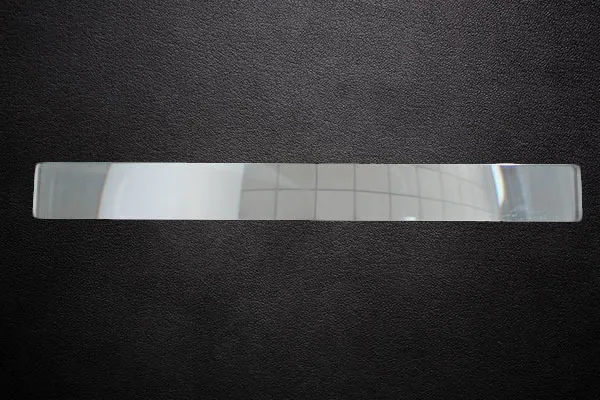
[Dimension] 96.2 × 58 mm (3.5 inch class)
[Focal Length] 70mm
[Groove Pitch] 0.3mm
[Manufacturing Route] Precision Pattern Replication
Shandong Yuying Optical Instrument Co., Ltd is a specialized manufacturer focusing on Fresnel optical components, supplying industrial and projection system clients worldwide.
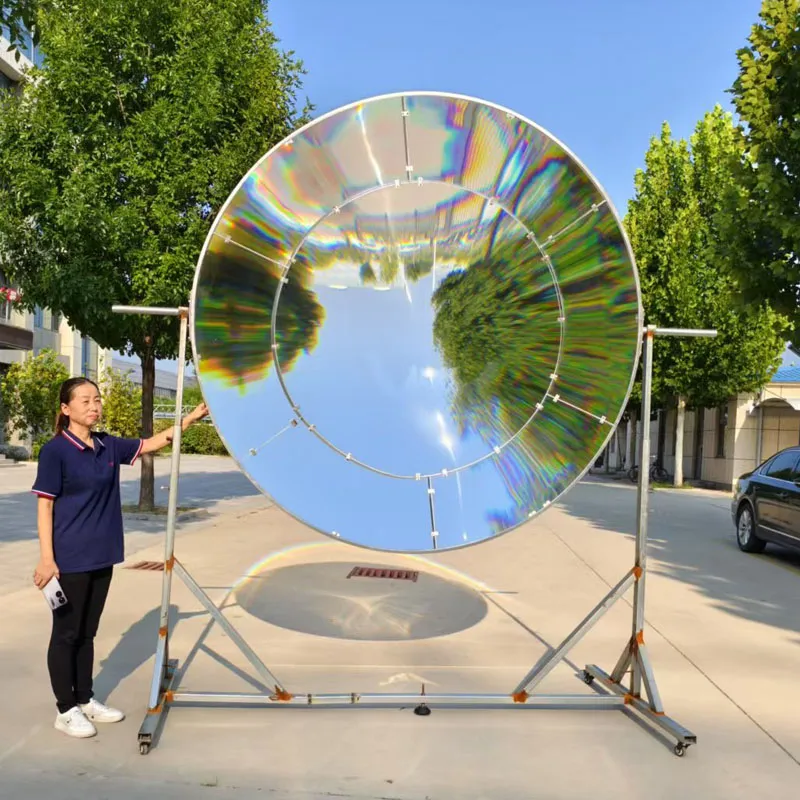
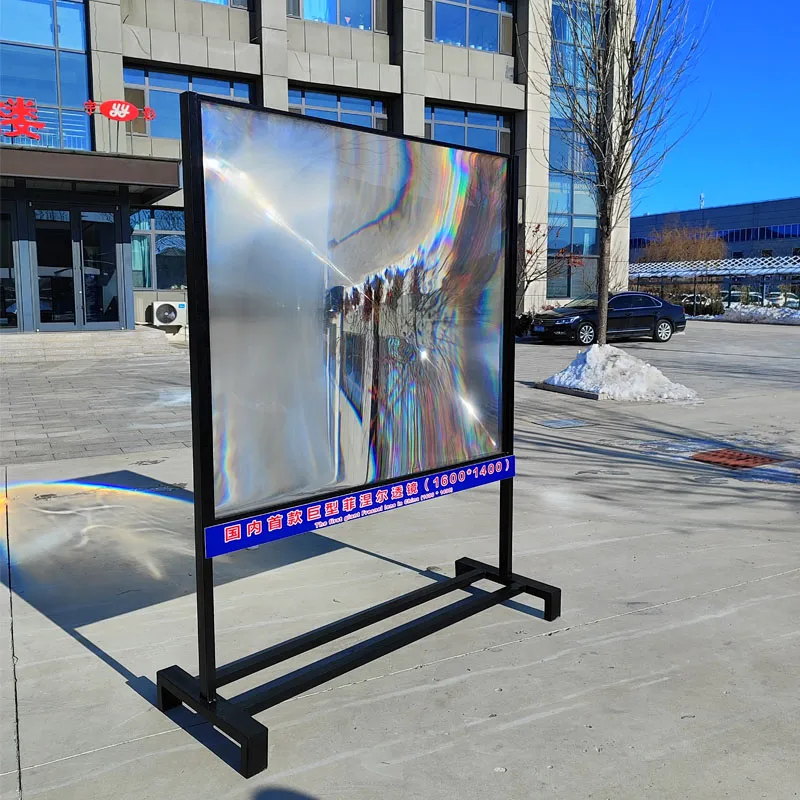
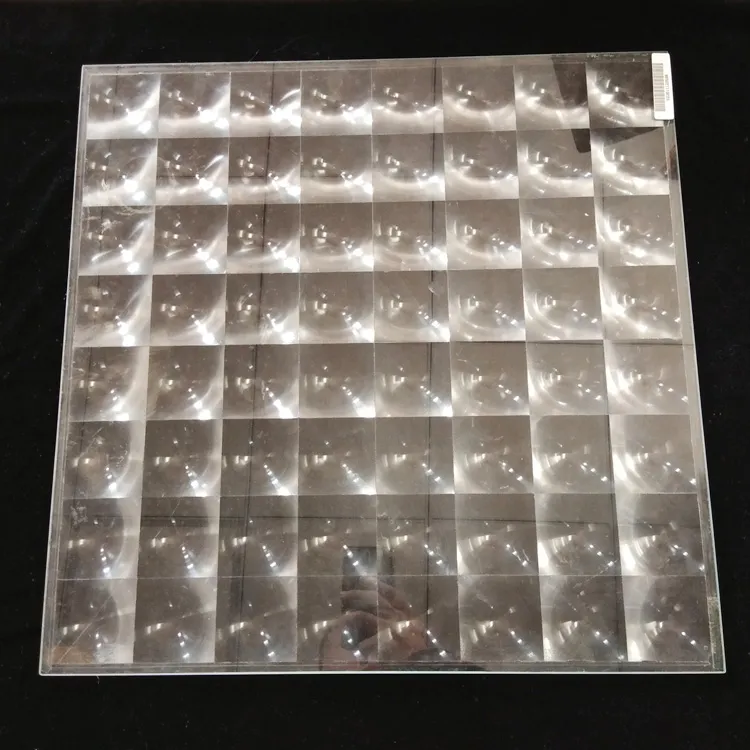
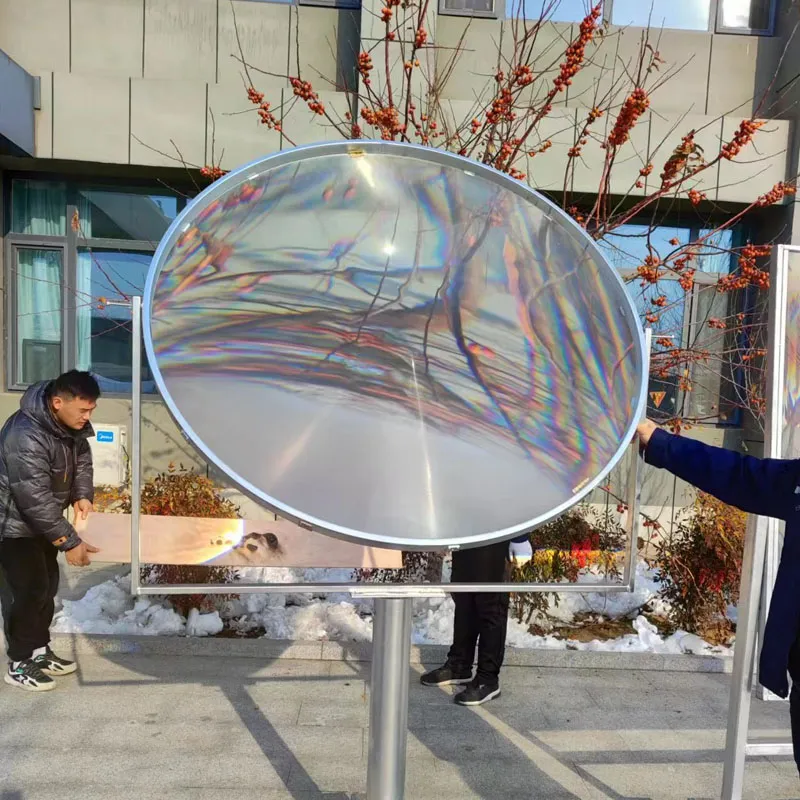
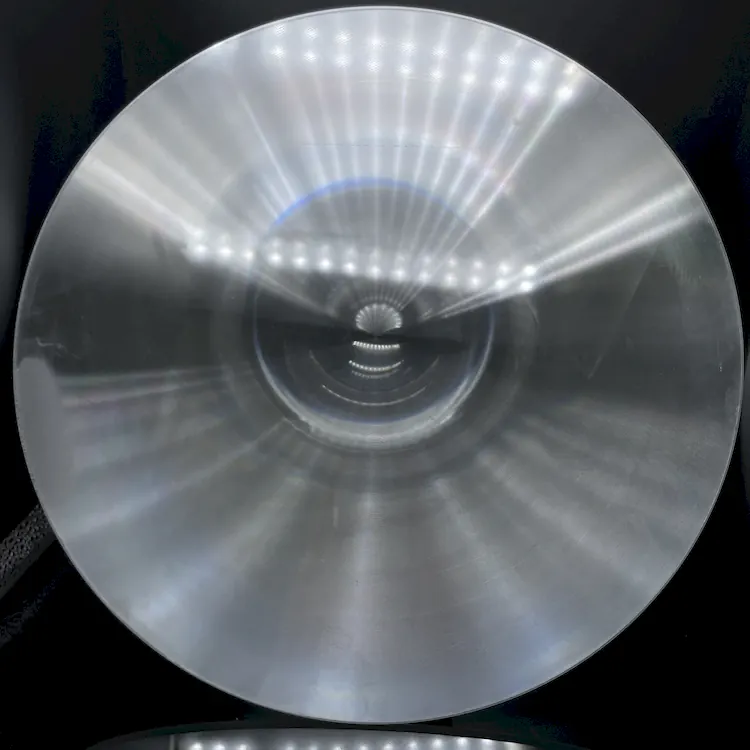
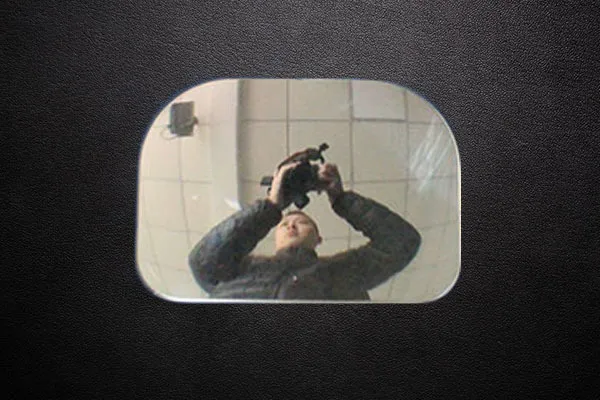
This 3.5-inch Fresnel lens is designed as a rear display layer, maintaining clear light output by minimizing fogging effects in projection systems.
What is a low-fog Fresnel lens used for?
A low-fog Fresnel lens helps maintain clear light transmission by reducing surface haze, improving visibility in projection displays.
Customization Services Yuying provides customized Fresnel lenses for projectors, tailored in terms of focal length, dimensions, and groove design.
Q1: What causes fogging in projection lenses? | 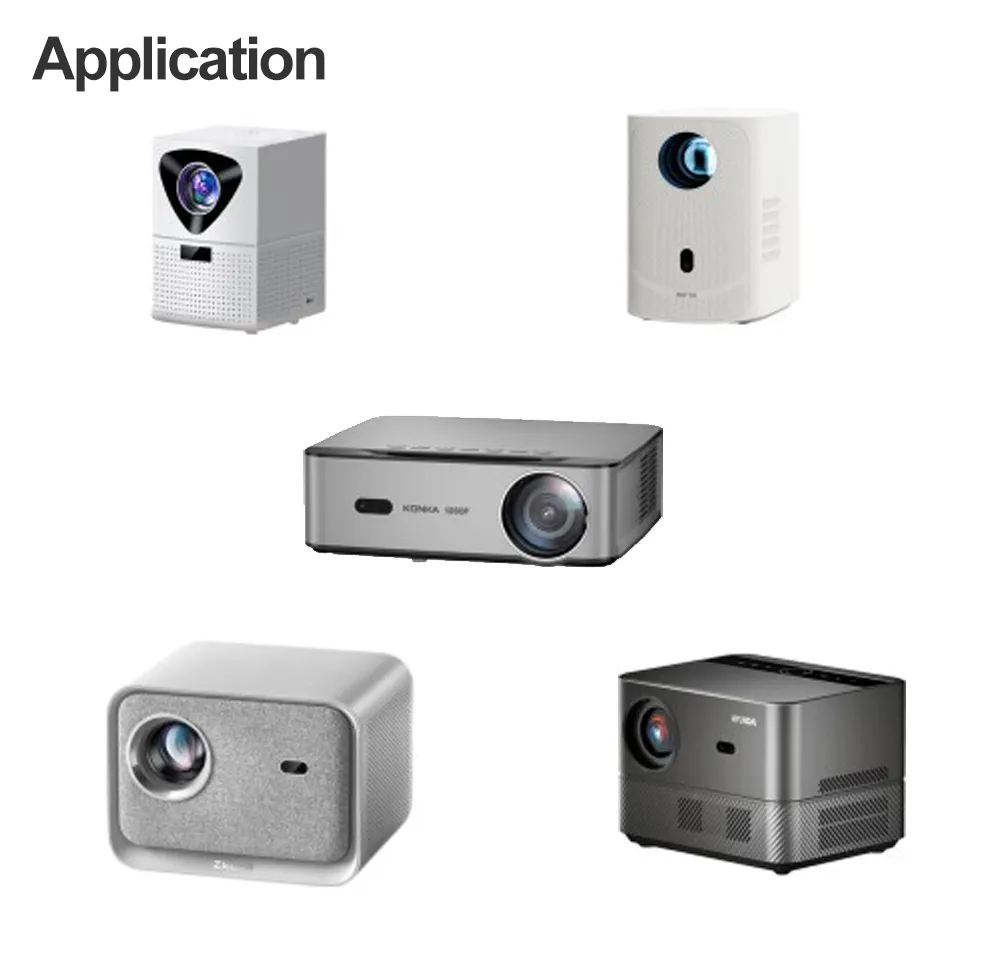 |
 | Advantages OOptical Characteristics: |
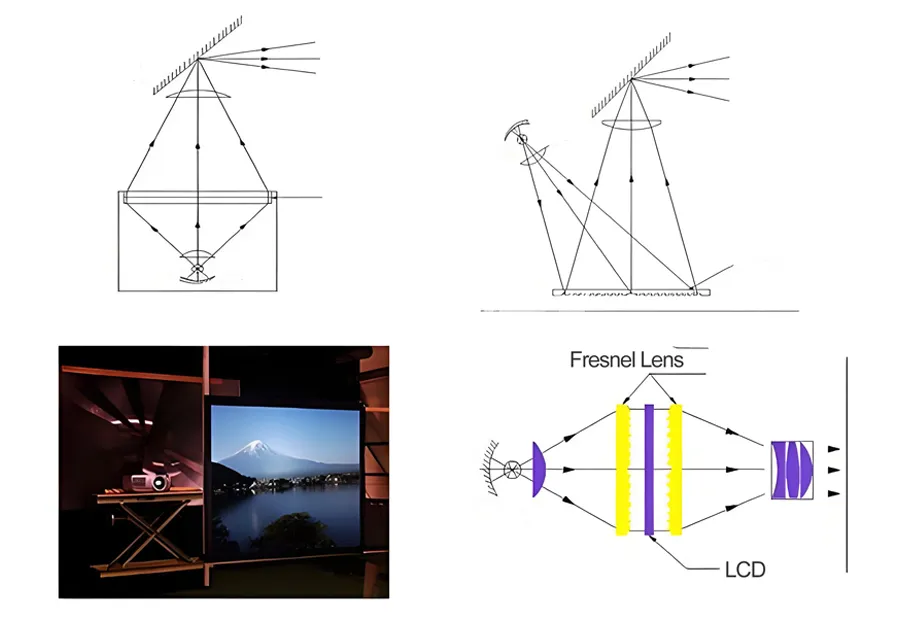
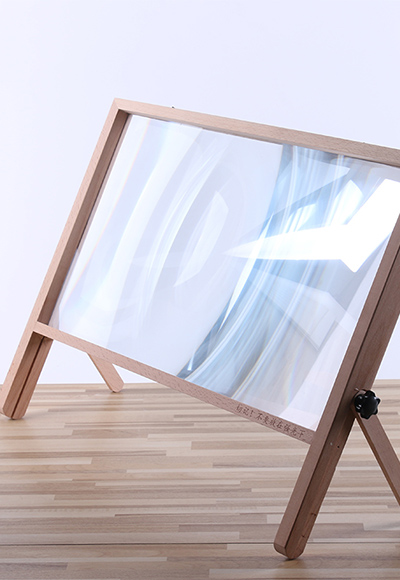
Functions Fresnel lenses perform beam collimation and focusing: 1. Convert point sources into parallel light, significantly enhancing edge brightness of display panels while eliminating sunspot effects and improving overall brightness uniformity2. Typically used with other optical components (e.g. cylindrical lenses)3. Removing collimation lenses causes substantial light loss through panels, resulting in noticeable hotspots and reduced edge brightness4. On the reverse side of LCD screens, light must be converged from panels to projection lenses
|
Application Examples
|


Shandong Yuying Optical Instrument Co., Ltd
Add: No. 167, Huayuan Avenue, Linyi County, Dezhou City,
Shandong Province, China
Phone/Wechat/WhatsApp:+8615166907006
Shenzhen Yuying Technology Co., Ltd
Add: Room 901, Tower A, Building 1, Renheng Centrium, Xinqiao Subdistrict,
Bao'an District, Shenzhen, China
Phone/Whatsapp: +86 13826507576
Sakura
sakura@yuyingfresnel.com
sakura@yuying-sd.com
May Choi
may@yuying-sd.com
yuyingfresnellens@gmail.com
Copyright © 2025 Shandong Yuying Optical Instrument Co., LTD Lu ICP No. 19001469-1










 Request a Quote